You will have discerned a pattern, dear reader: a long and tiring day, is flowed by a loafing day. and today I was going to loaf by the Loue… the river Loue that is!
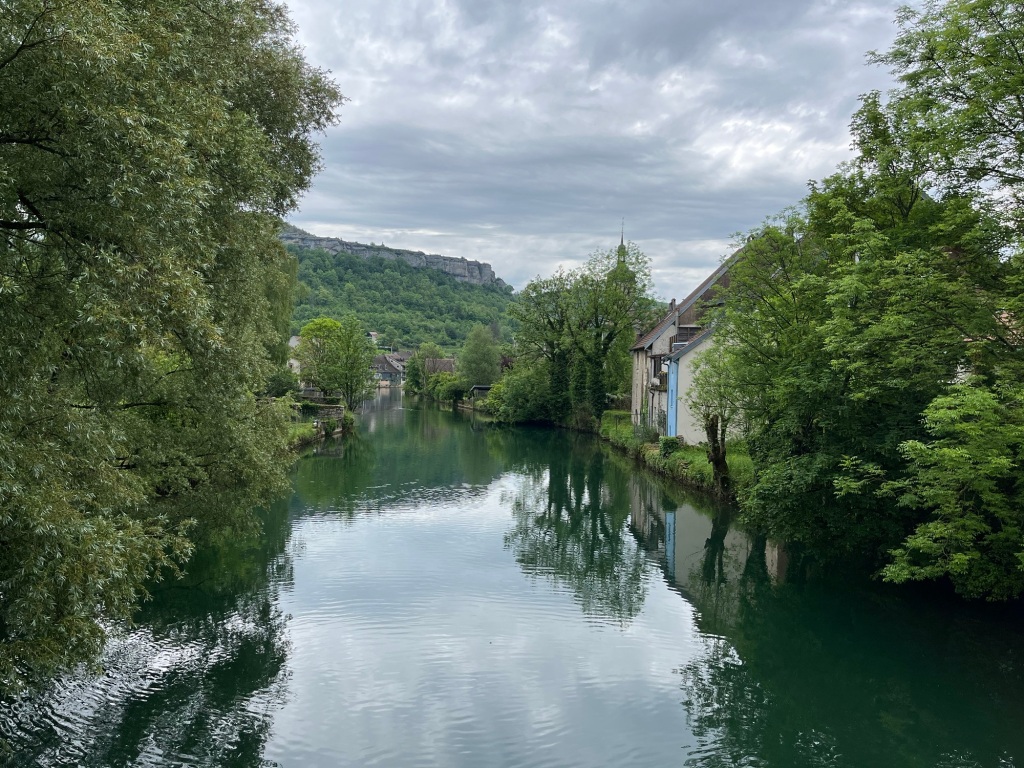
Ornans lies in the Loue valley, a limestone gorge created over millions of years by this now apparent languid watercourse.
I treated myself to a lie in, paid a visit to the nearby supermarket for breakfast and lunch supplies (and the unalloyed luxury of a comb) and let myself out of Jo and Antoine’s house at 10am.
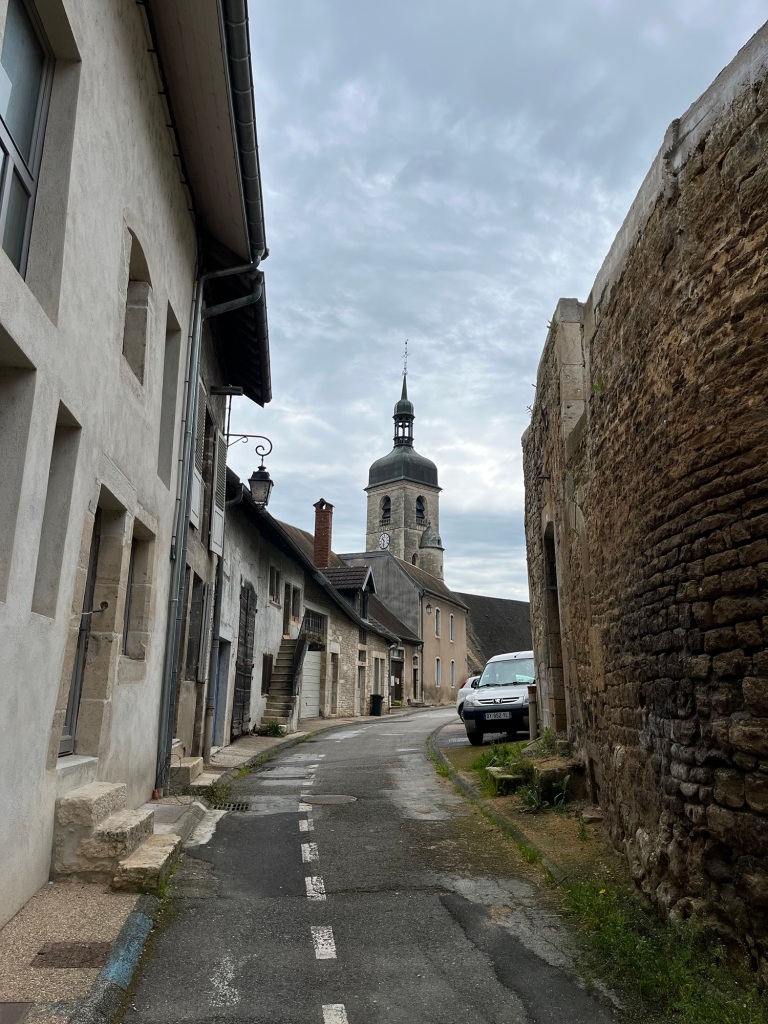
Ornans is a quite a large town, but the historic centre is nestled around the church and the river crossing.
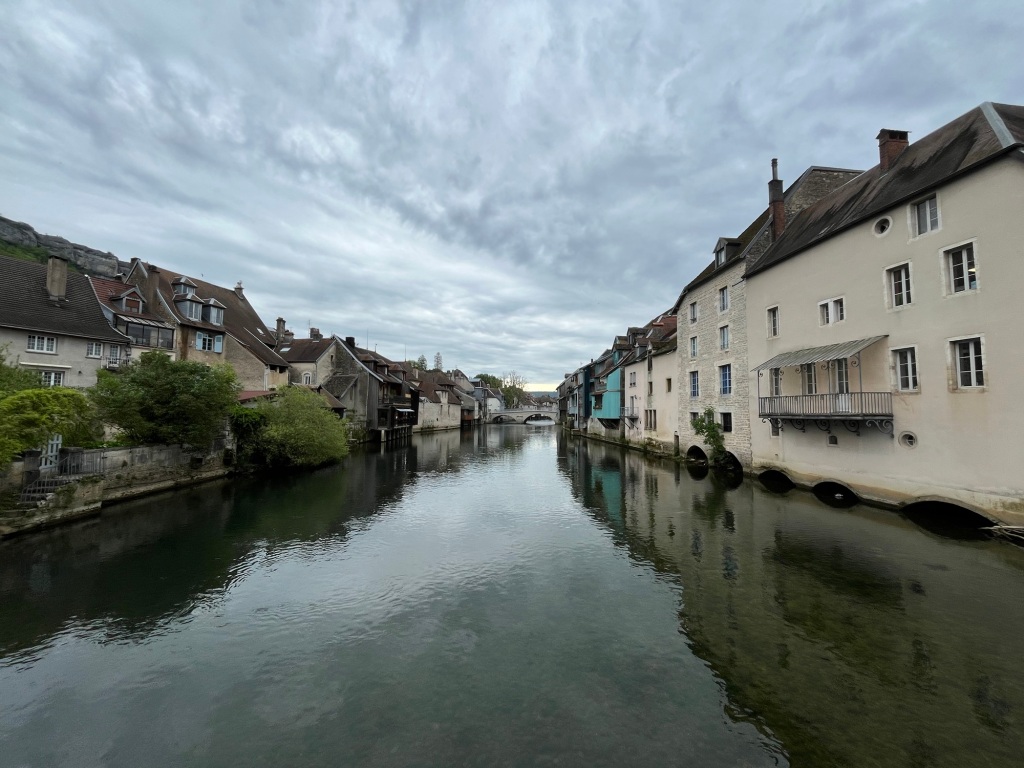
Even on an overcast day, the place is picturesque. I was passed by a number of walkers and cyclists and people simply out and about.
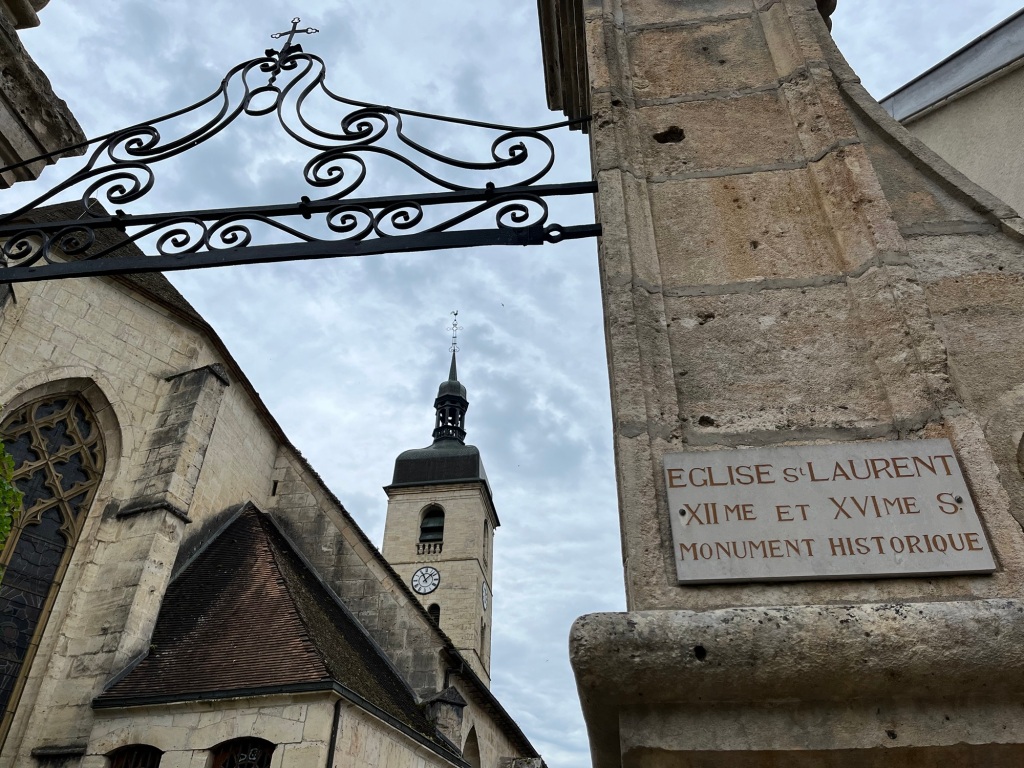
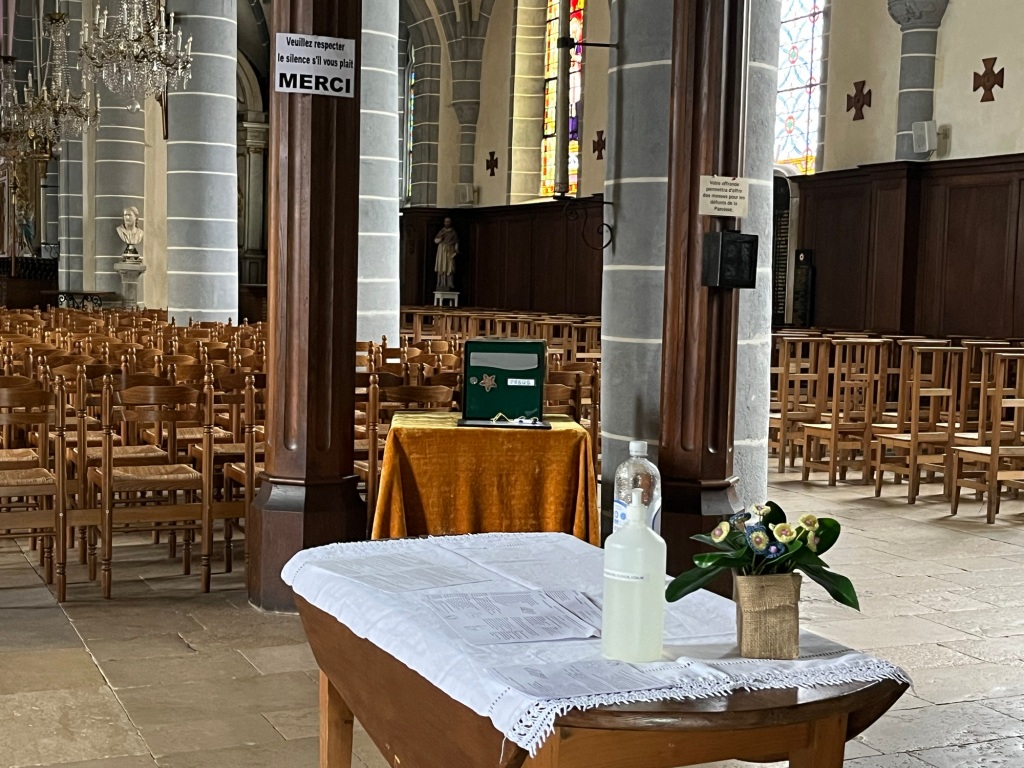
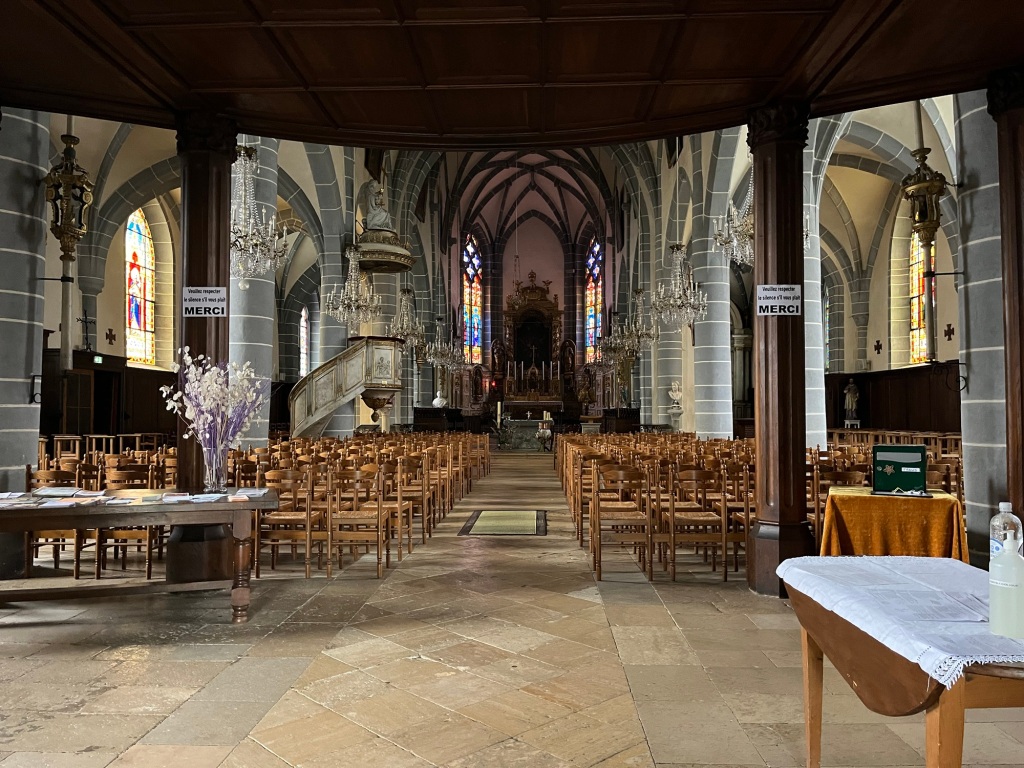
St Lawrence’s Church was locked, but careful handling of the phone through the iron grill door, permitted this these pictures to be taken, and the phone not to be lost inside the church.
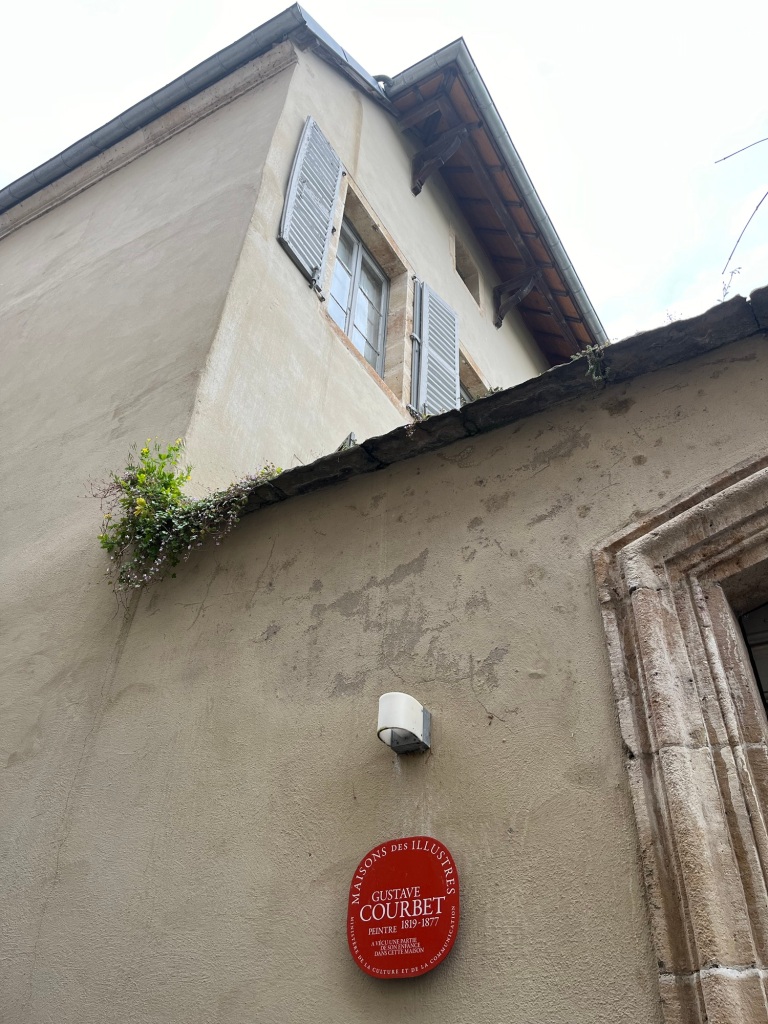
In addition to being the home of Comté cheese, Ornans was the birthplace of painter Gustave Courbet. Wikipedia tells me that was a French painter who led the Realism movement in 19th-century French painting. Committed to painting only what he could see, he rejected academic convention and the Romanticism of the previous generation of visual artists.
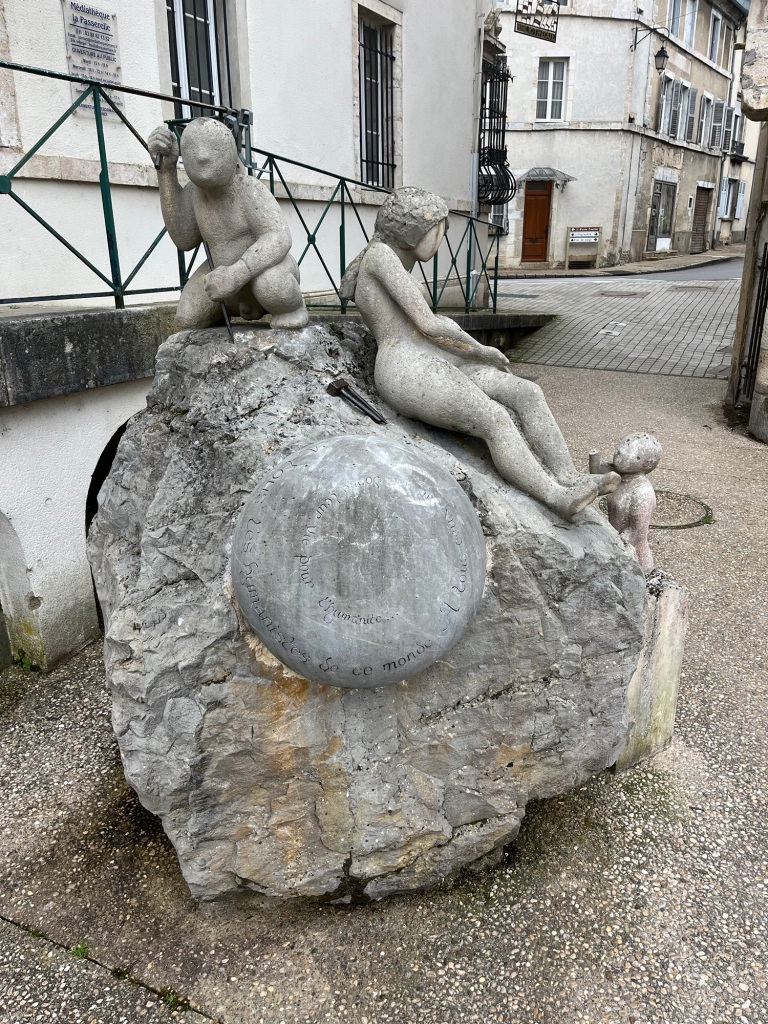
One of his paintings, The Stone Breakers, painted on 1849 and destroyed in the bombing of Dresden, is referenced in a rather wonderful sculpture outside the town’s library.
I enjoyed taking some time to drift around the town. On the way out, there is a clever installation that frames a view of the town and its river.
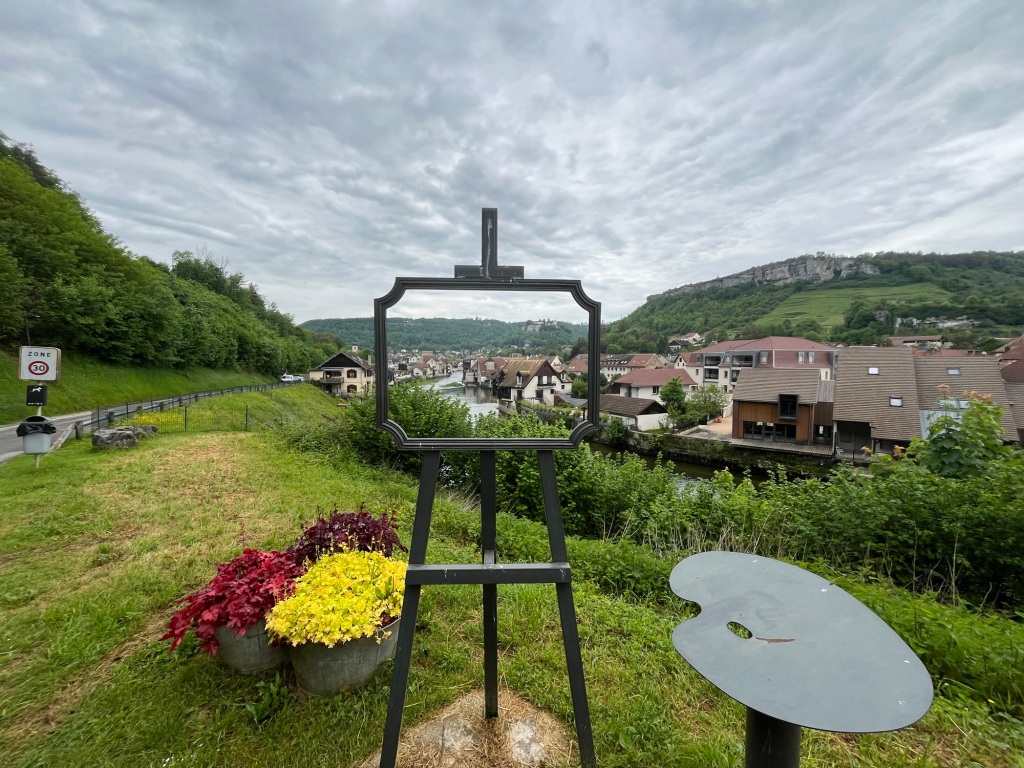
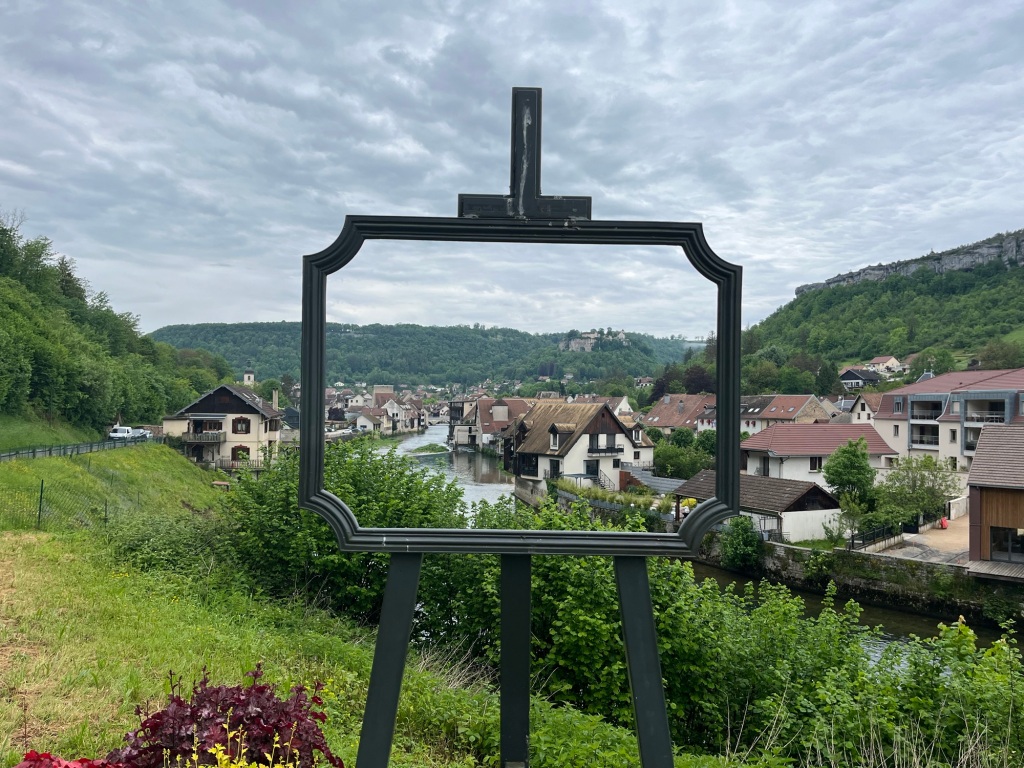
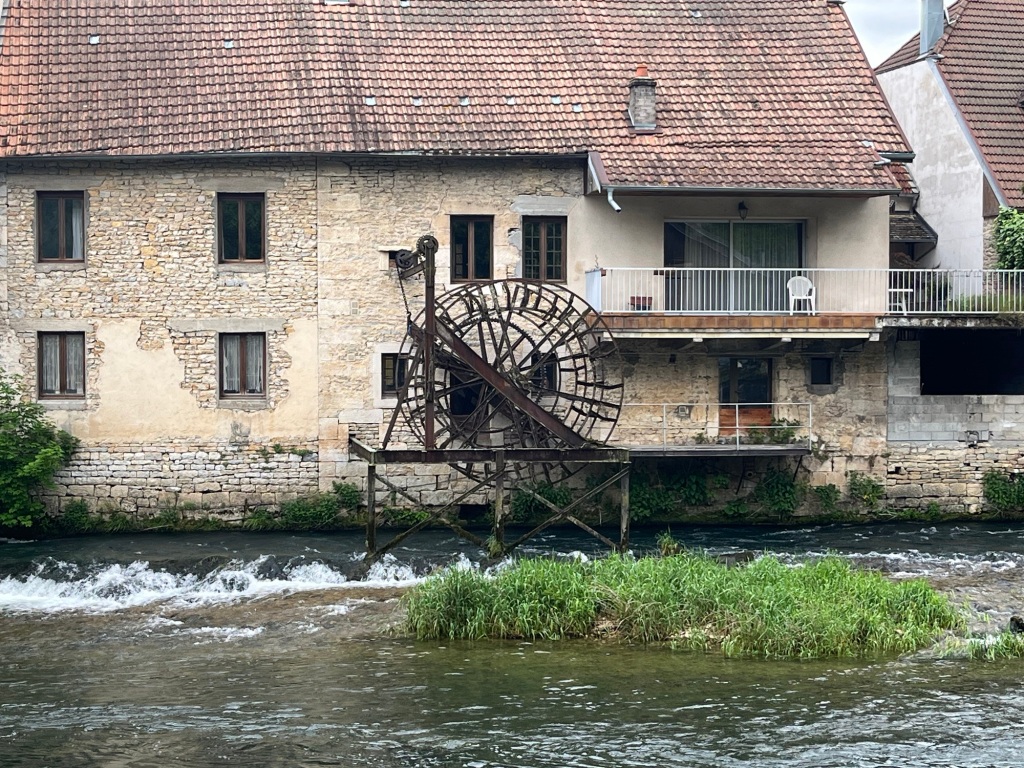
It’s is clear that in times gone by, the river Loue provided much needed power for numerous mills along its length. Mill races and former mills abound. One bright spark, Etienne Pougeot, came up with an adjustable mill wheel that could take account of the varying height of the river and reduced the need for sluices. One still exists in Ornans – I wonder why these didn’t catch on more widely.
A climb out of Ornans, followed by a walk through woodland and then down onto what I recognised as a railway line. This line was the one I had walked yesterday though tunnel and over viaduct.
It was a branchline running from L’Hôpital-du-Grosbois, on the line to Besançon up the river valleys of the Brême and the Loue as far as Lods; which incidentally was to be my home for the night.
The path ran to the next village, Montgesoye. Here a municipal camp ground occupied the old station site and sidings. One of the principal functions of the railway here was the transportation of timber, often cut in water powered mills, and necessitated long sidings for storage.
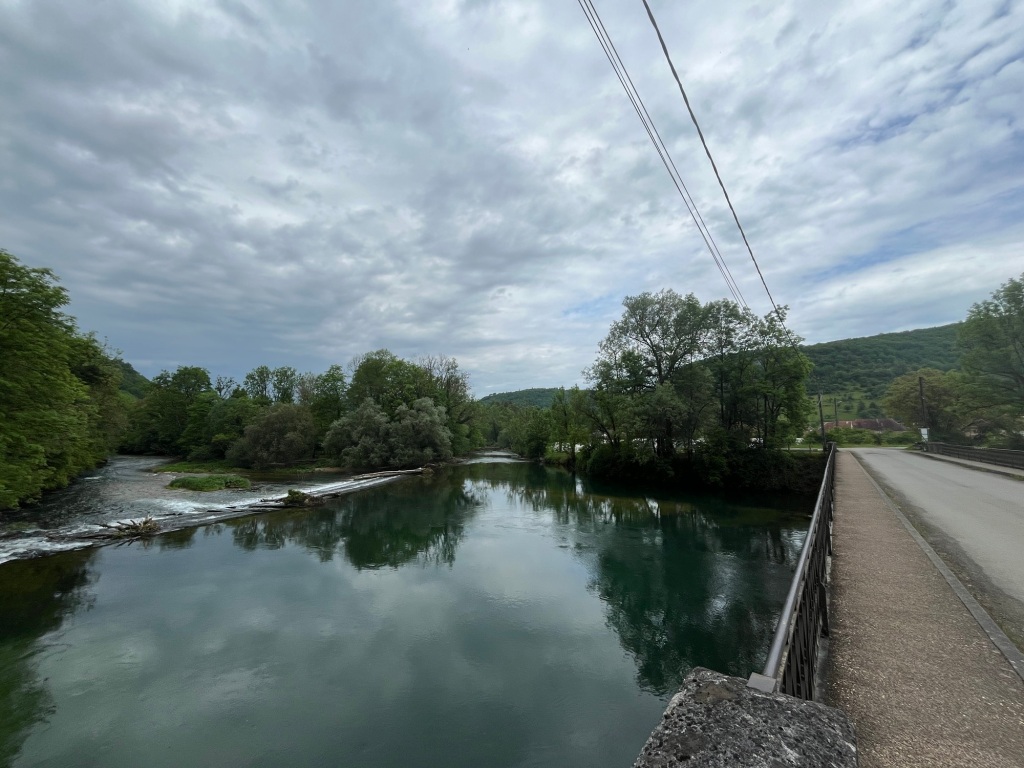
The clouds were beginning to thin now and it was a pleasant temperature for walking. On the other side of the village I came across a novel approach to mobile fodder.
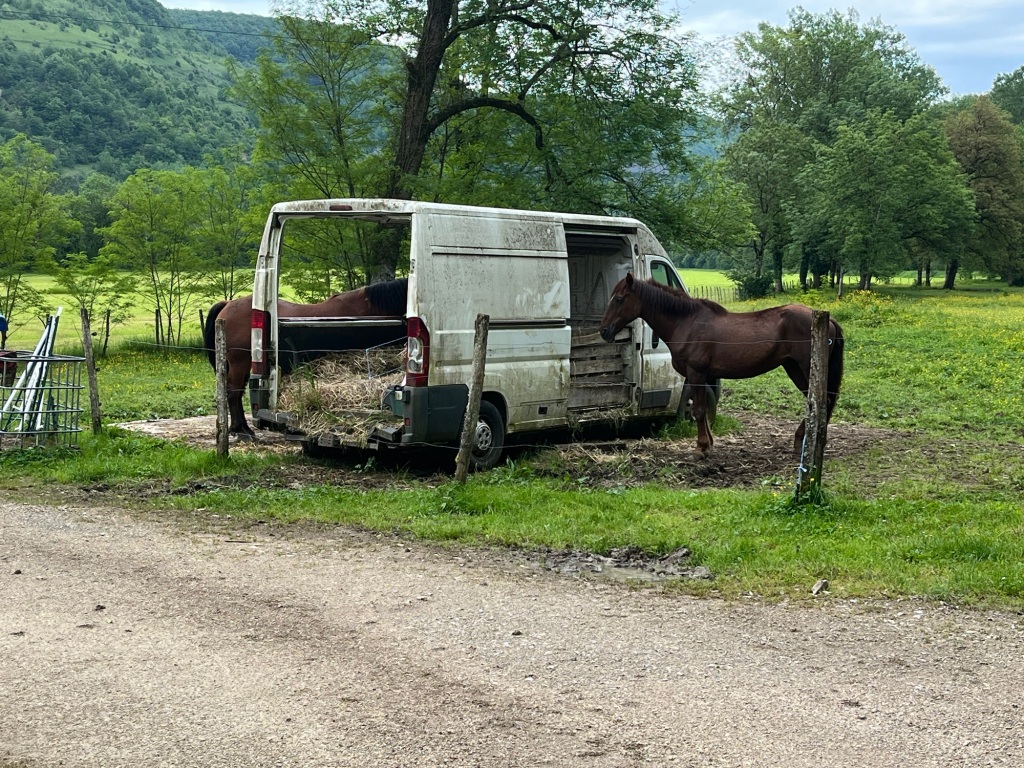
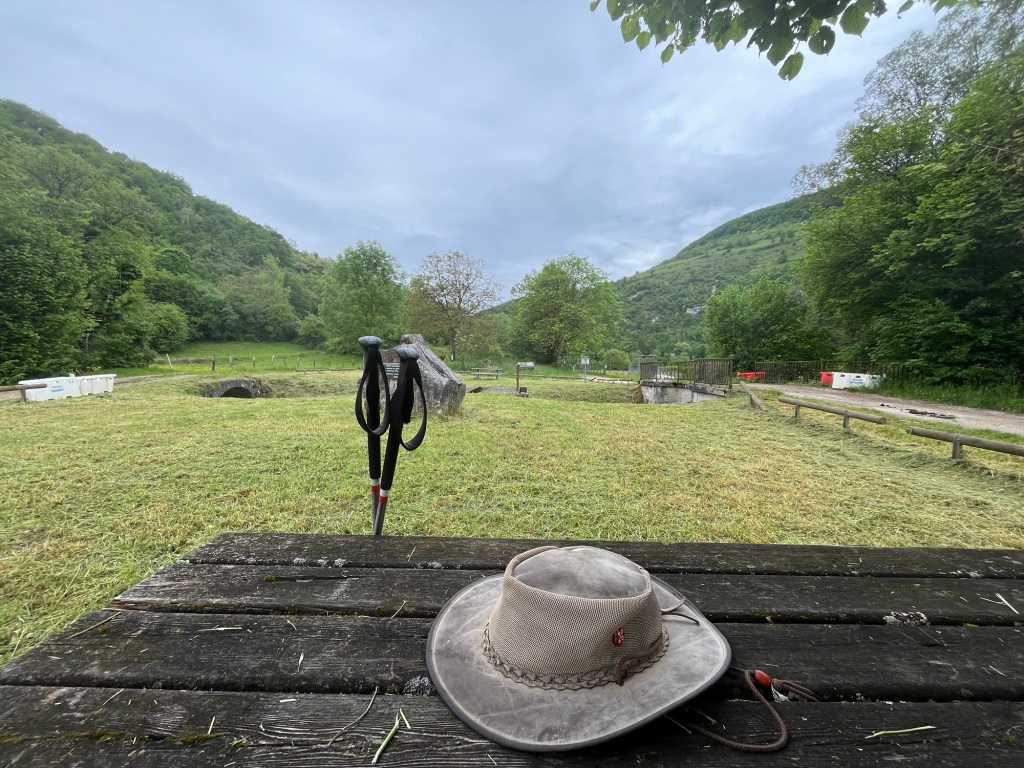
On the outskirts of Château-Vieux-les-Fossés, was a picnic site, an ideal place to stop for lunch. It was located by three bridges – one perhaps from the 18th Century, one railway bridge from the 19th and a third from the early 20th Century.
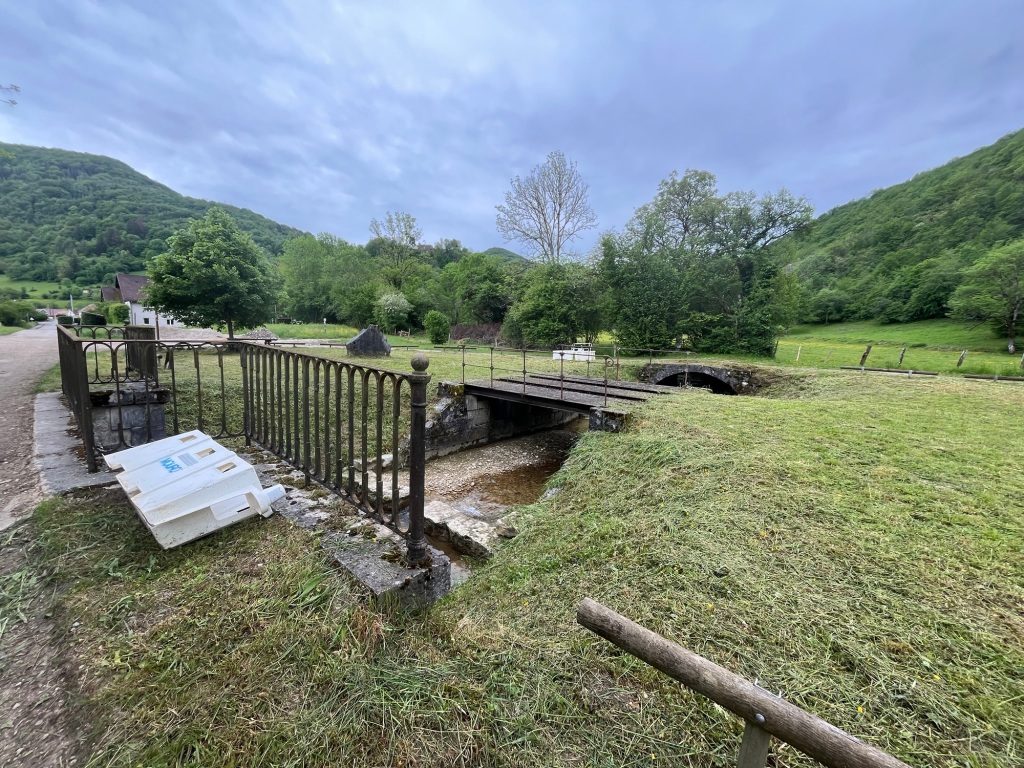
It was a pleasing extravagance. I pondered this as I ate my lunch. I also looked ahead to the following day, which would probably be my most challenging walk of the trip, unless I make it to the St Bernard Pass. A prolonged climb up to the Source of the Loue and beyond over the the high plateau around Pontarlier. I would cross a ridge of very nearly 3000 feet.
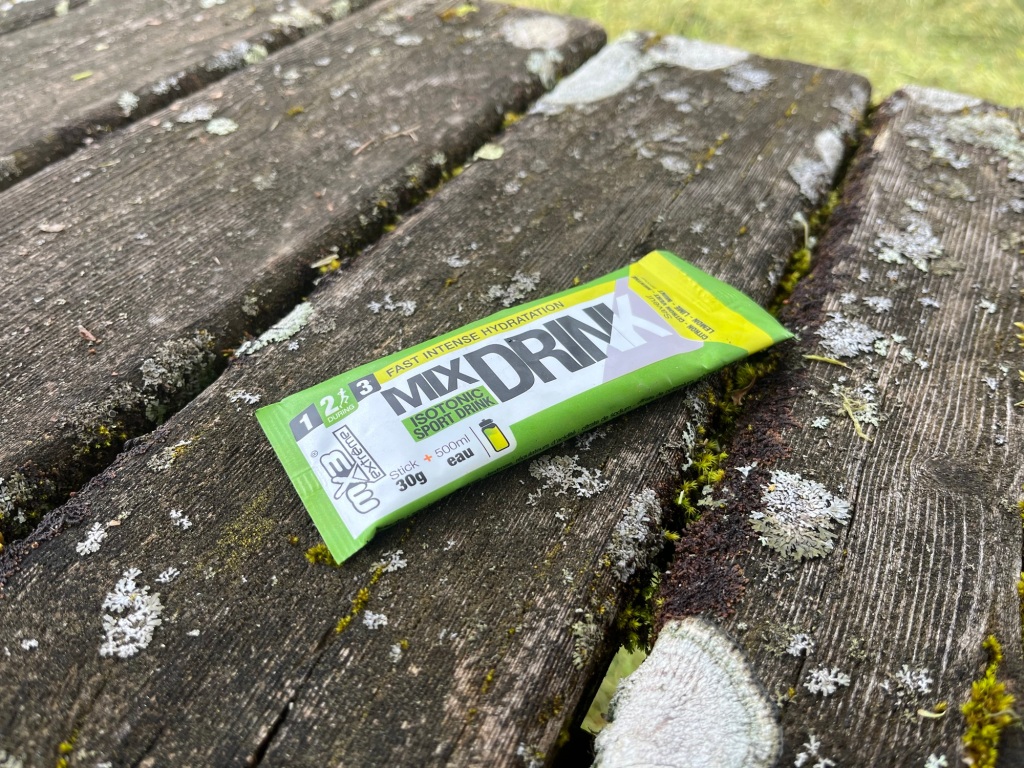
The Via always seems to provide what is needed. I found this isotonic energy powder on the bench. I’ll use this tomorrow, I thought.
The next village was Vuillafans. As I’d been going along, I had been rendering the names of these villages in “Tommy slang”, imagining what army slang non-French speakers would call these places. Vuillafans, would clearly become “Villa Fans”, a tribute to the Brummie football team perhaps. I was particularly pleased with “Mount Eyesore”, from which Montgesoye might be rendered. (I hasten to add that this village was nothing of the sort!).
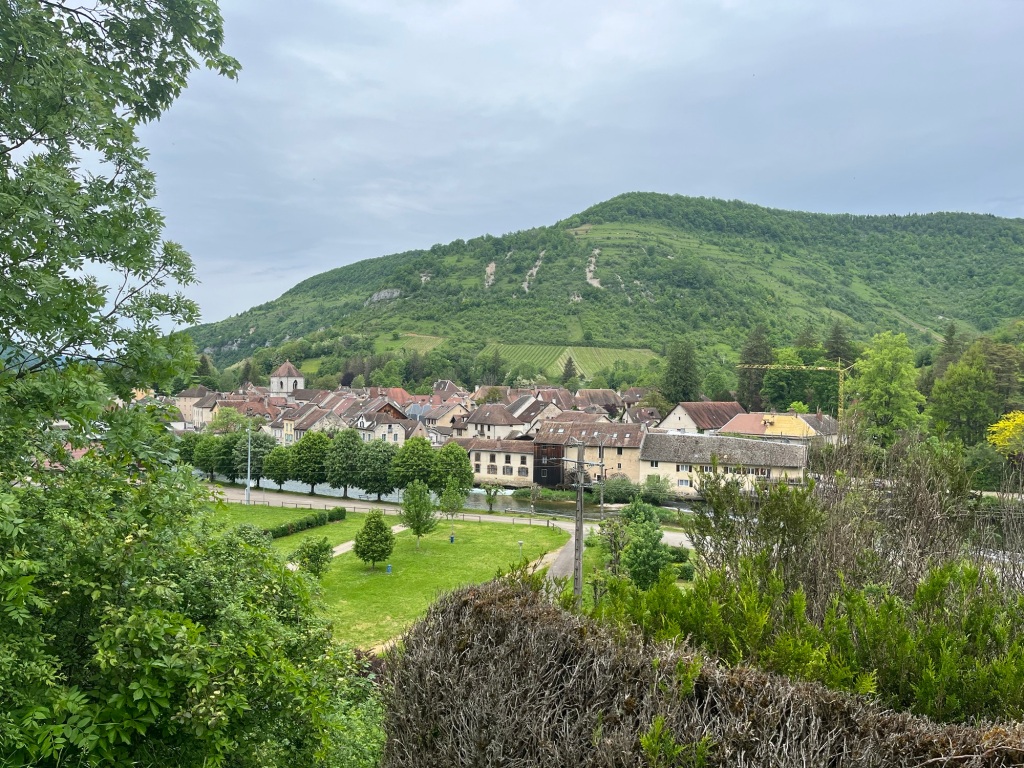
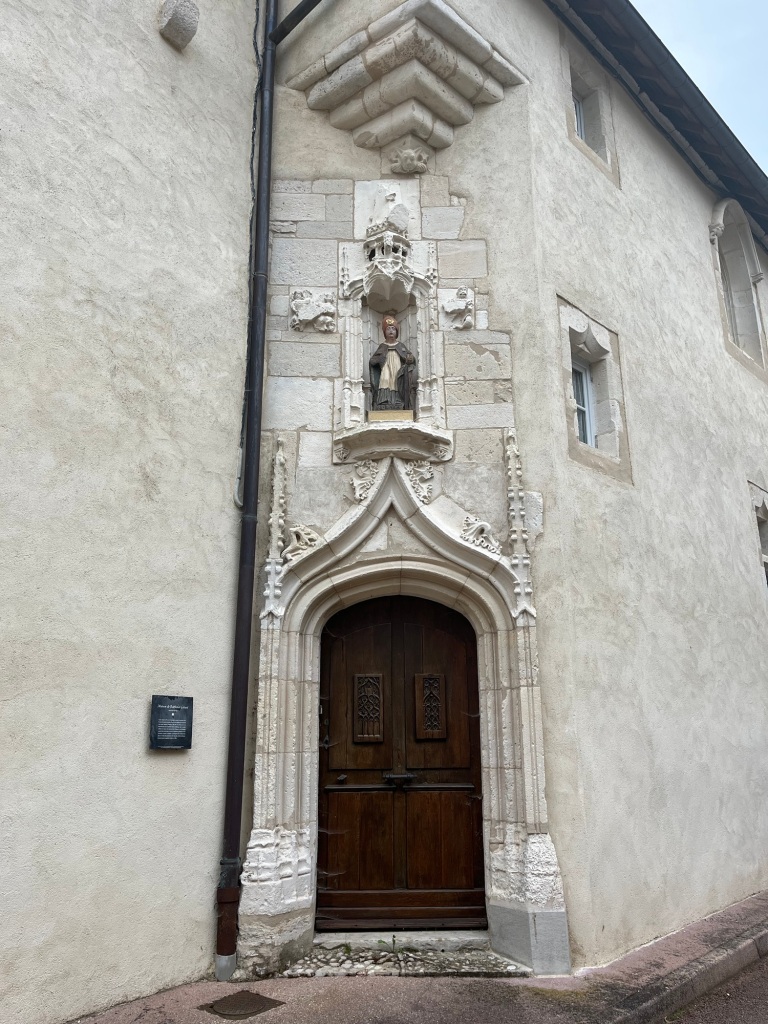
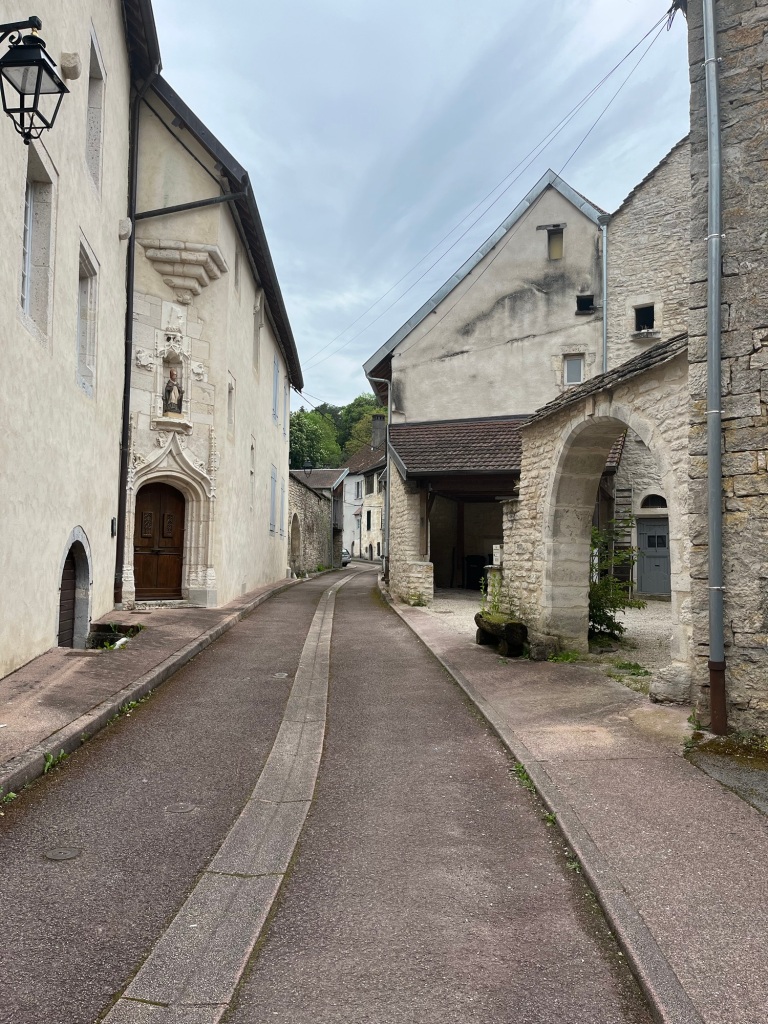
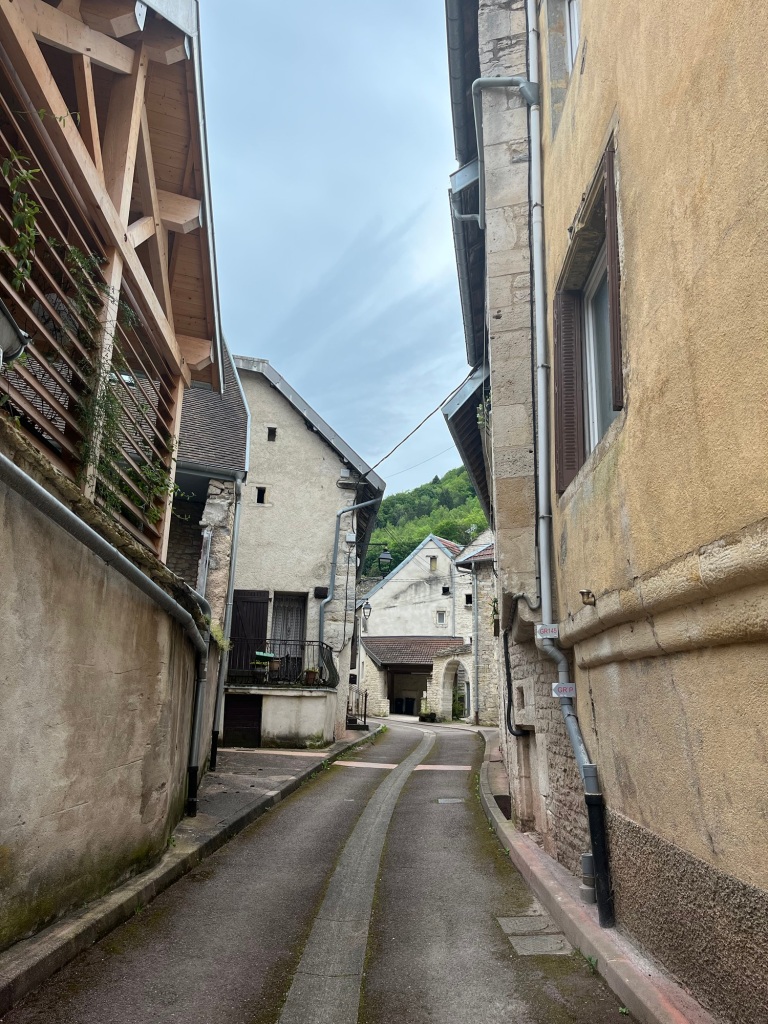
“Villa Fans” had at its core a very pleasing jumble of old buildings. Including one notable house from the 15th Century.
A climb out of the village served to avoid a long tunnel into the former terminus at Lods. It was a great shame not to be able to walk through another bore through the limestone, but unlike the previous tunnel, here there was a viable alternative.
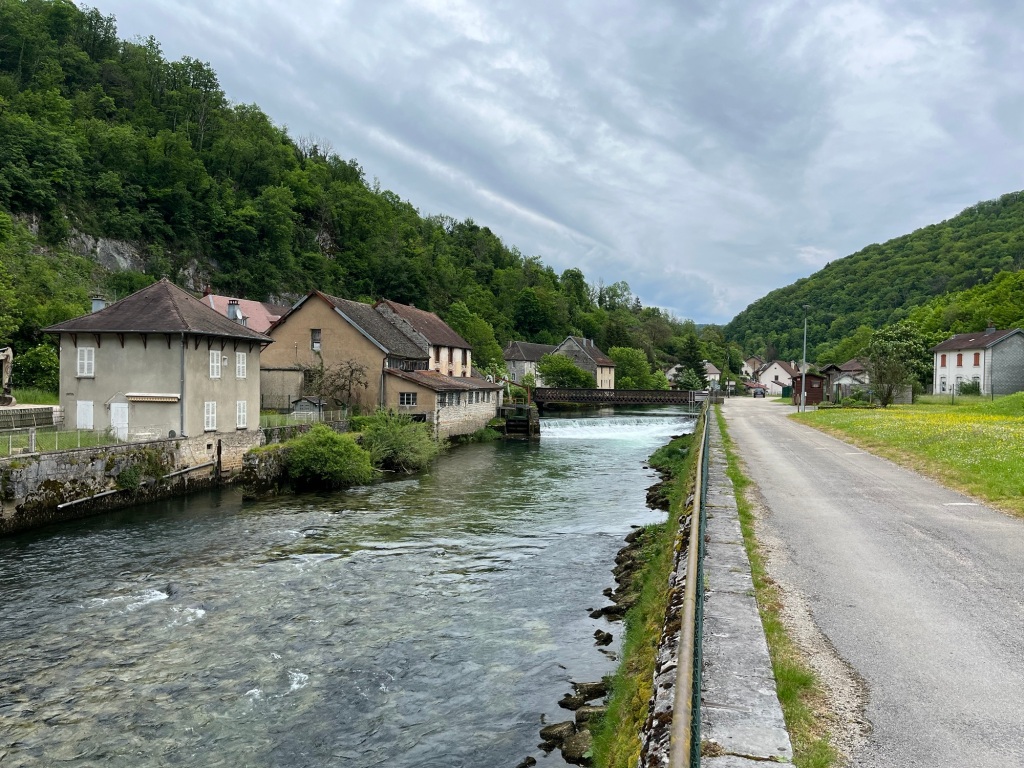
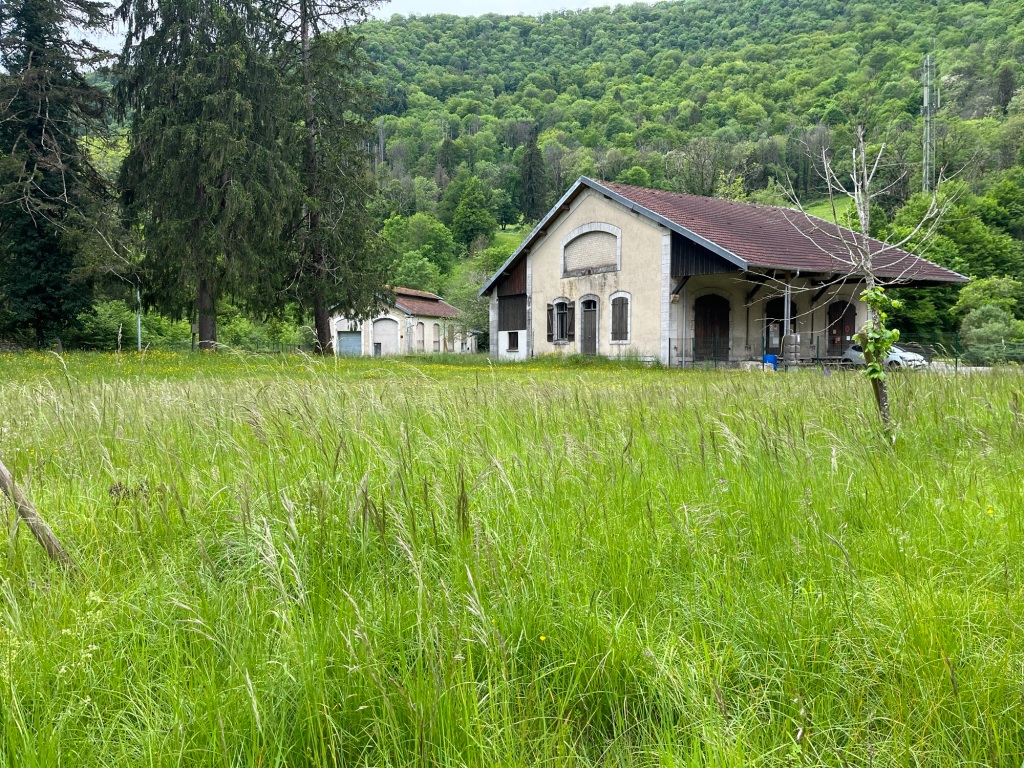
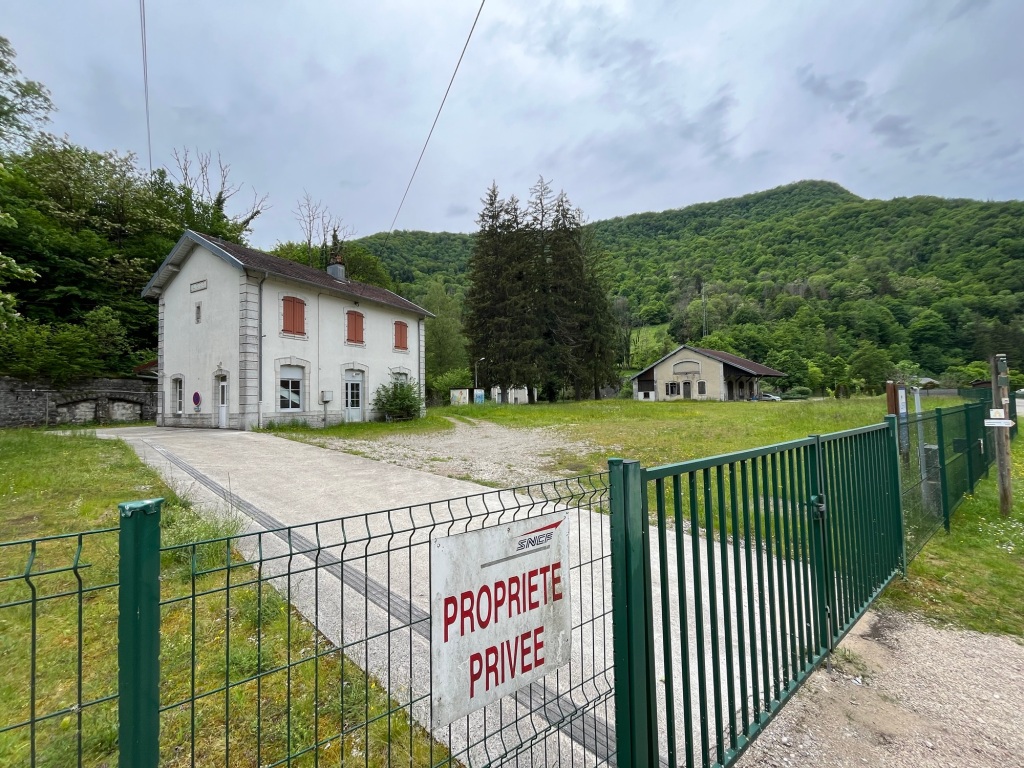
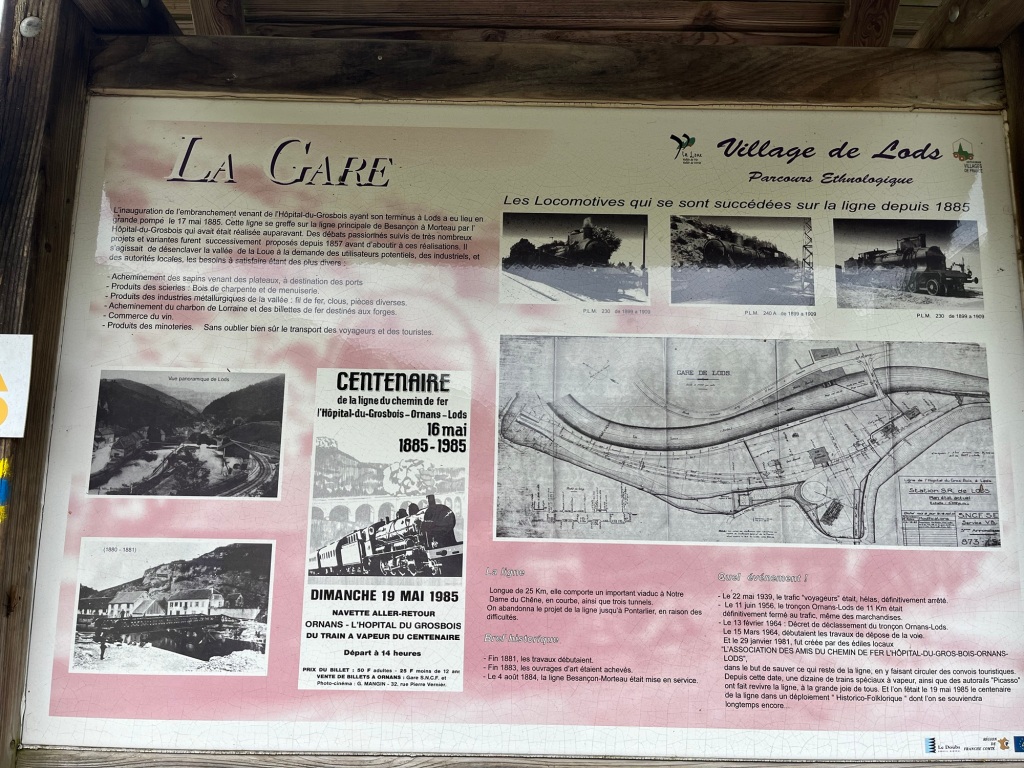
The end of the line was occupied by another municipal camp site and a collection of railway buildings (stations, goods depot and engine house) that had been retained by SNCF as a holiday and outward bound facility: most foresighted!
The village of Lods itself lay a little further up stream. The gorge was narrower by now, buildings jostled with each other on the hillside for space. The effect was most pleasing, though Mauthier-Haute-Pierre would be even more pronounced tomorrow.
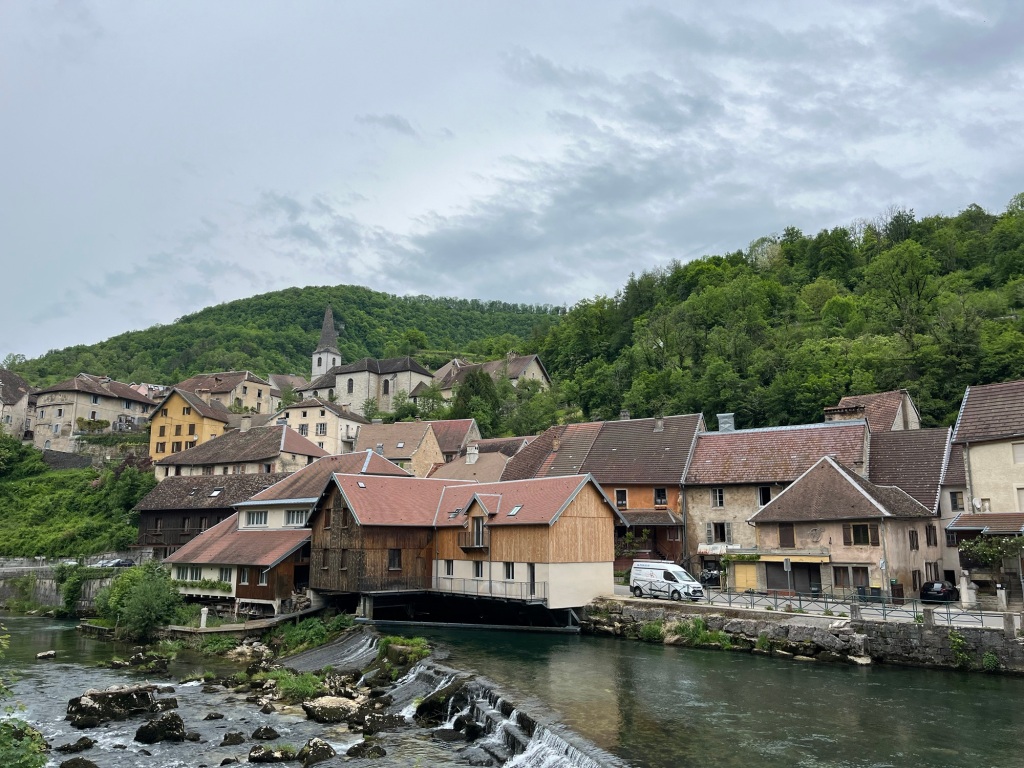
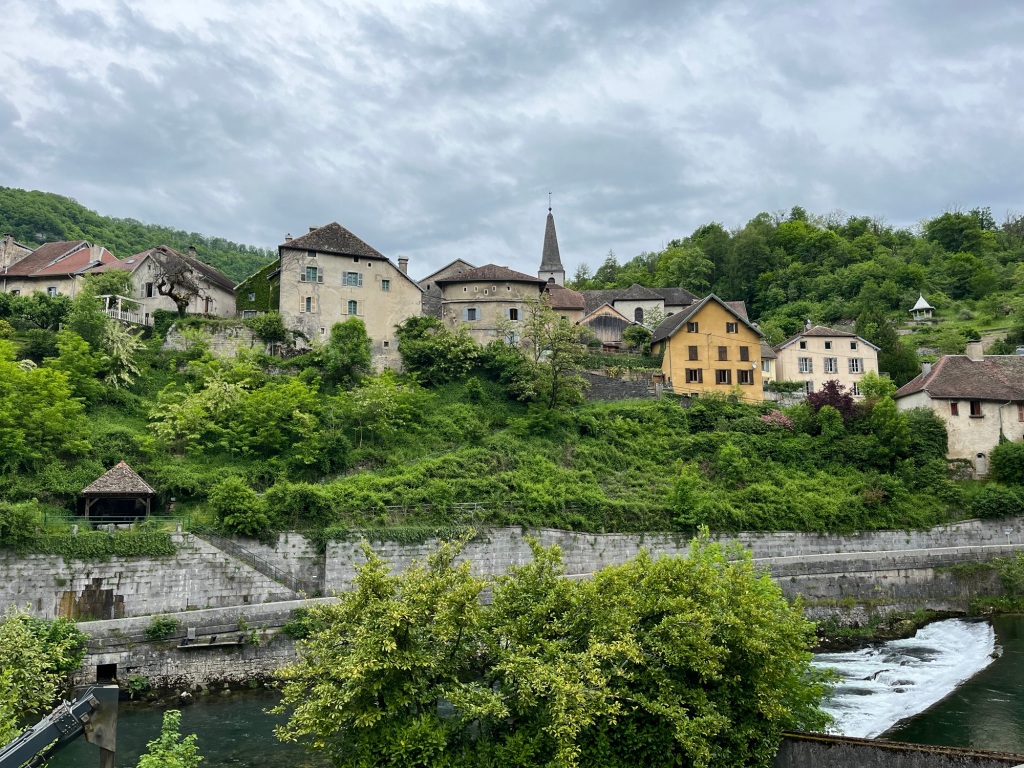
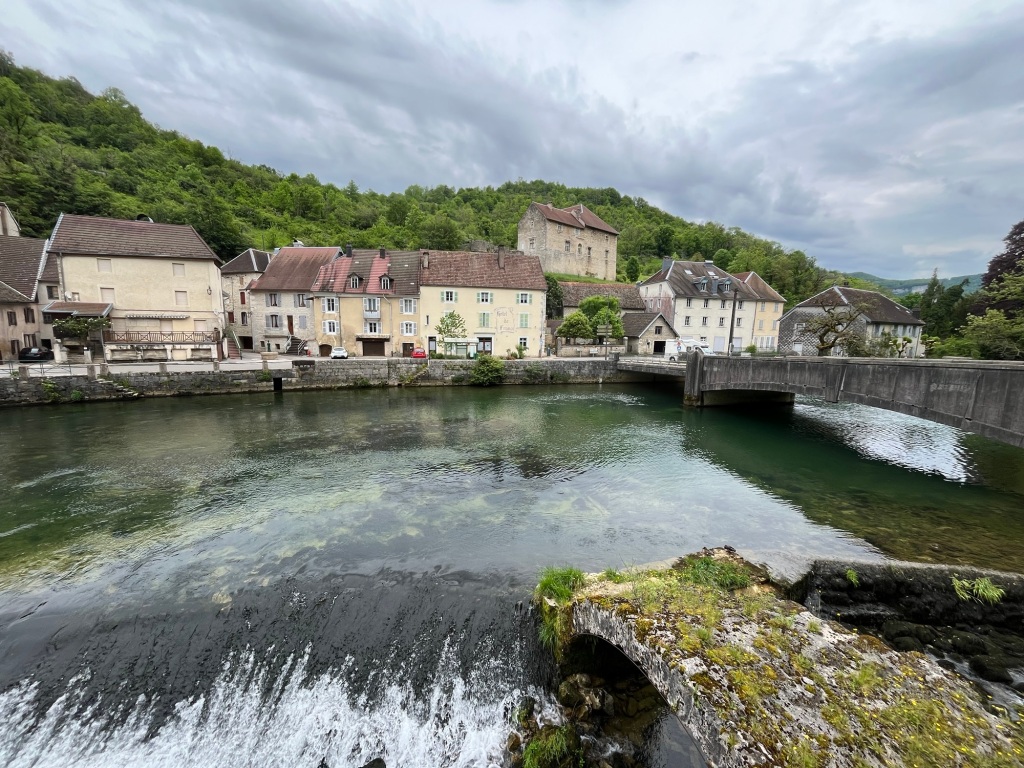
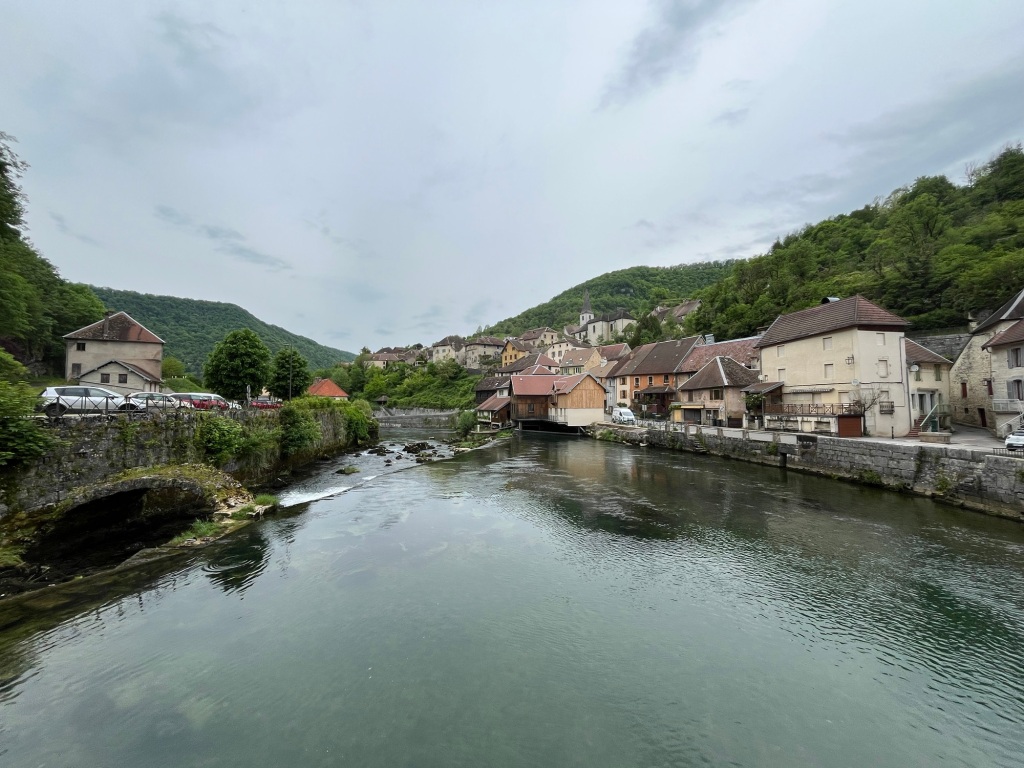
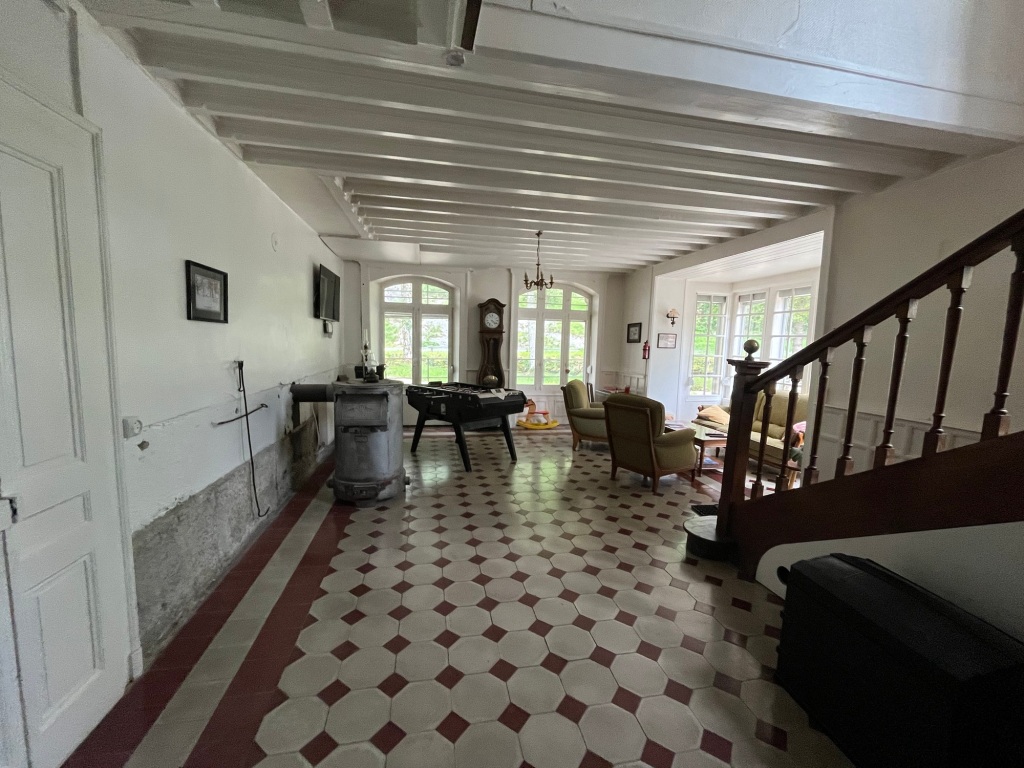
And so I stayed on the valley floor while the Via crossed the river and climbed up the valley side. I was to be staying at that La Schiste, a sort of hostel, for the evening.
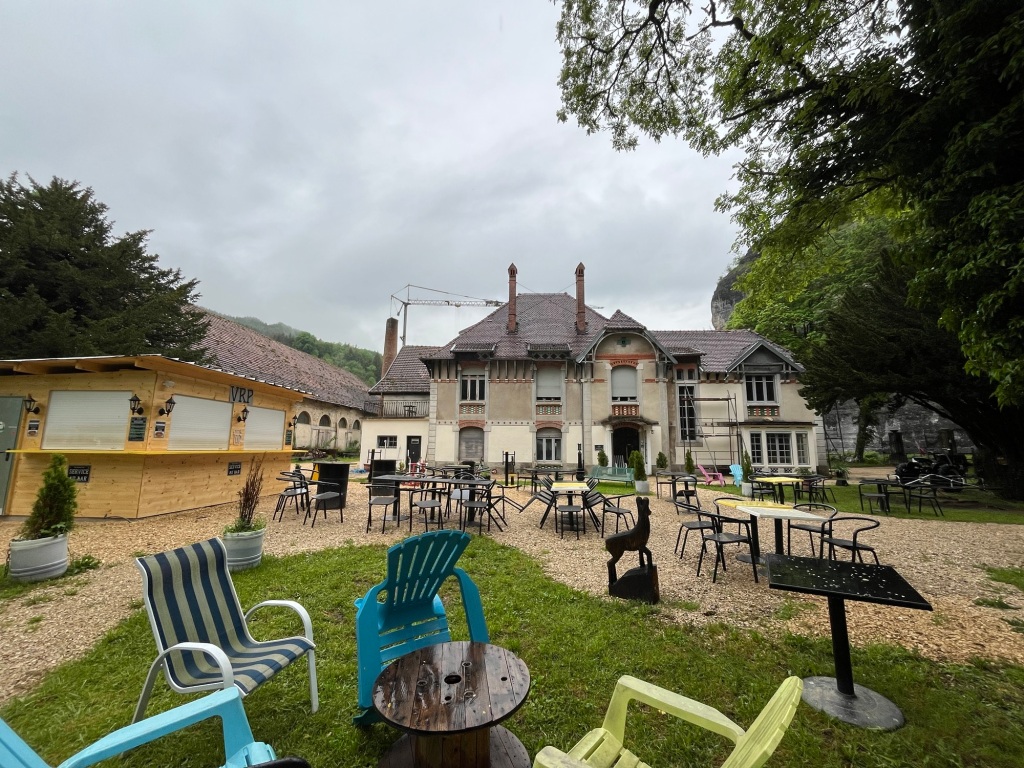
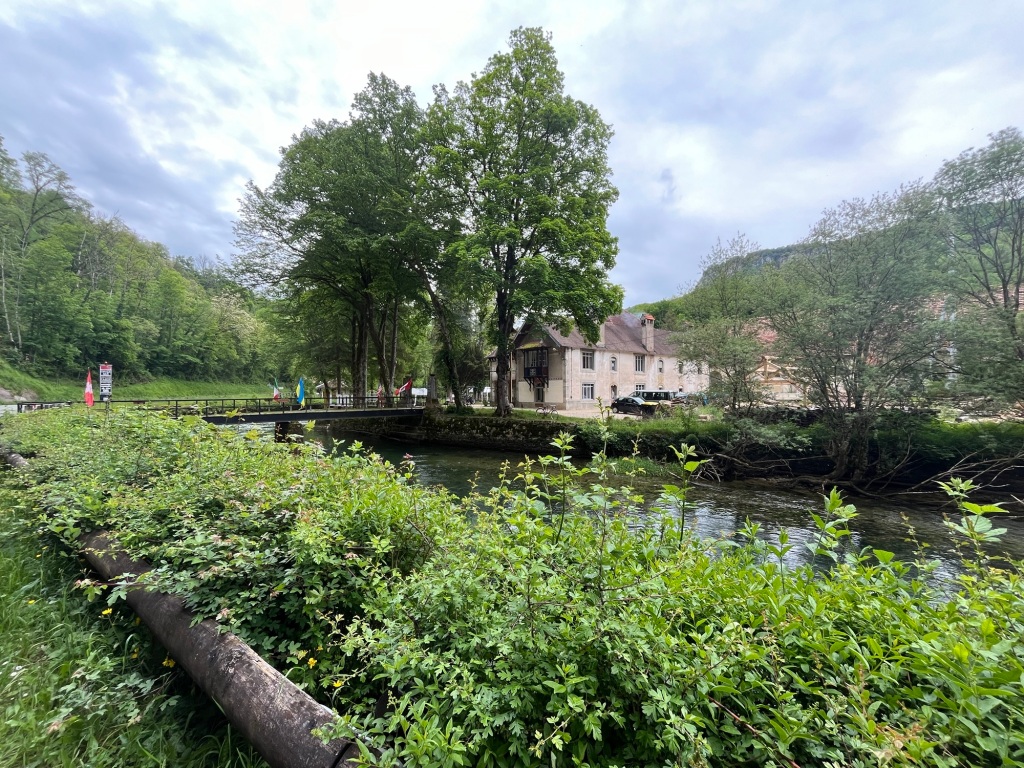
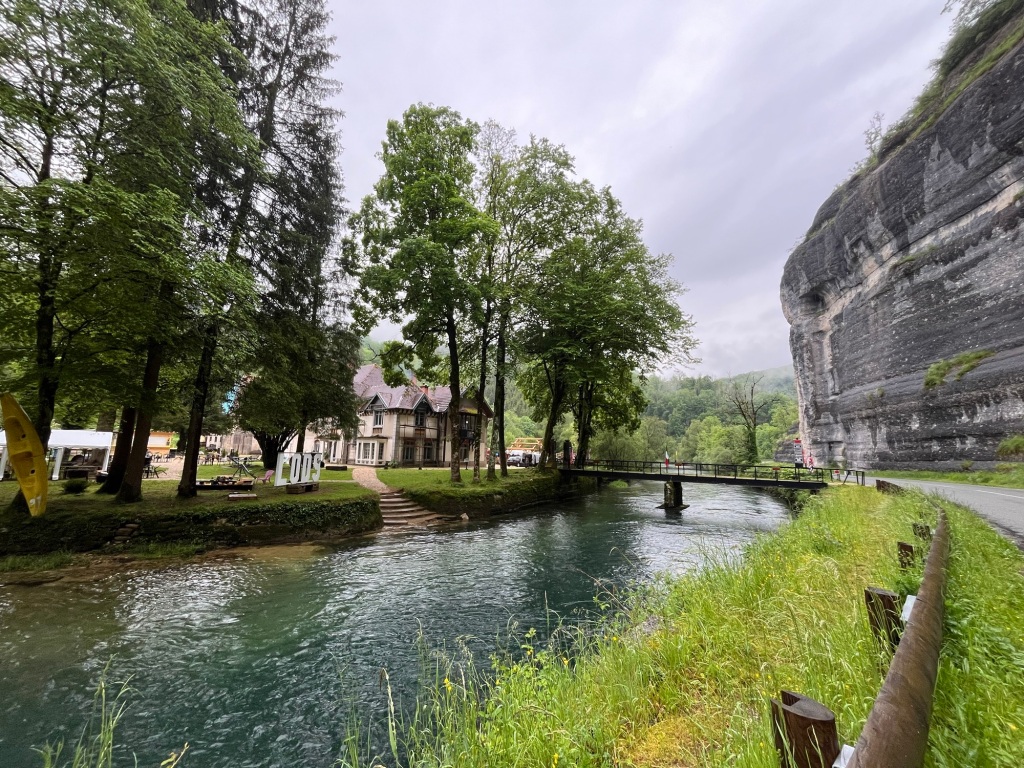
When I arrived I noticed a traditional timber yard next door where timber members were being cut by hand to create timber frames, unchanged in construction over centuries.
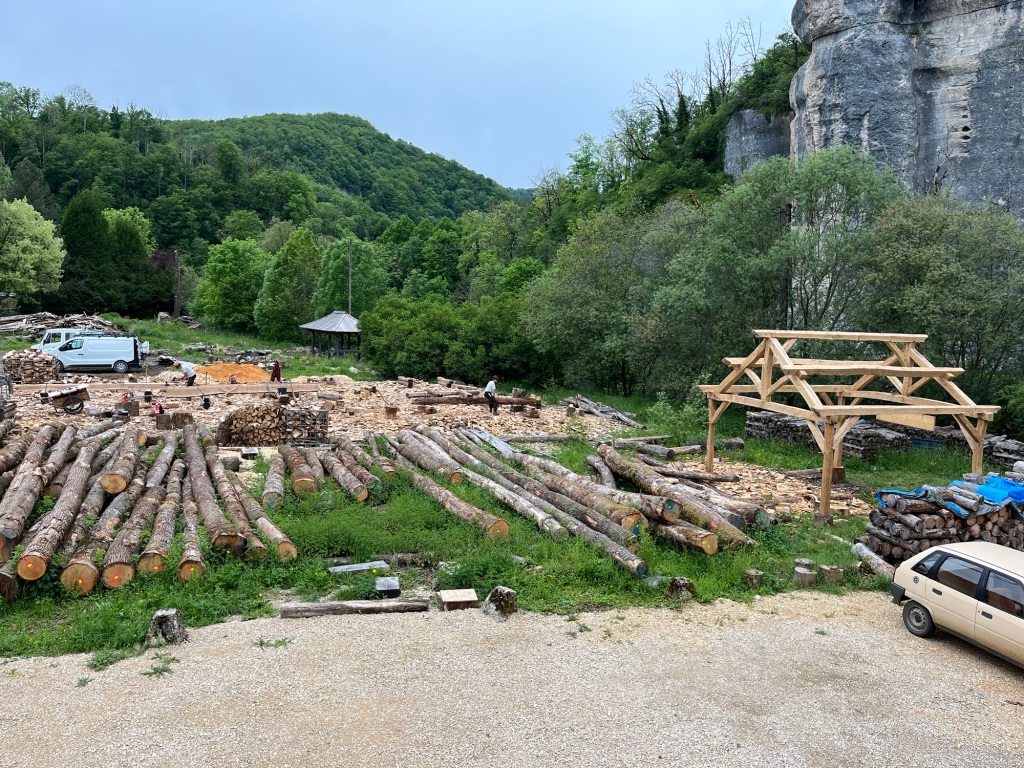
As I hung out my washing and did my other post-walk admin, I watched these craftsmen at work. The smooth waters of the Loue slipped passed them as they cut with handsaw and axe and I envied them their practical skills.


 The Loafing Pilgrim
Leave a comment