The morning after the night before. I expected to require some sort of heavy lifting equipment to hoist me out of bed into an upright posture, however on checking feet, legs, knees and back, everything seemed to be in surprisingly good order. I think there must be something in this regular exercise lark: I must be getting fitter. That and my cold then hot shower routine and rubbing and stretching or assorted limbs seems to be seeing results.
I think Karine, my host, was equally surprised that I could walk unaided when I came to settle up and have my credential stamped. She wished me bon route and I slipped out of the tender embrace of the Domain de Montauban.
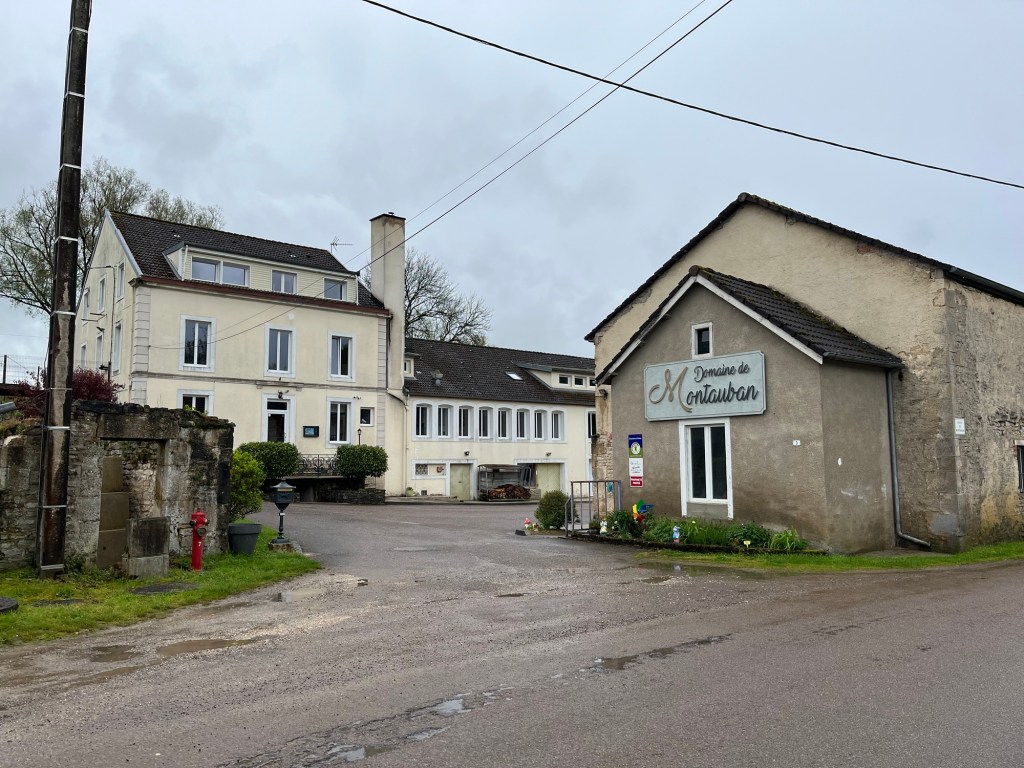
It was a big place, and as the only resident in the first week of May, I wondered how business was. I guessed that, with games and function rooms, there was better business in the high season. I had certainly been made to feel very welcome at a very reasonable sum.

Today’s walk was to be as short as yesterday’s was long. Just 7km separated me from the hilltop cathedral city of Langres. I knew that I would have to drop into a valley and then climb up onto the top of the hill on which the Romans founded the town.
My plan was to arrive in time for lunch. I had spent a lazy morning sorting out my kit, catching up on The Archers and waiting for the rain to ease.
By the time I left and found the yarn bombers had been active in this part of France, a light drizzle was giving to perfect walking conditions: cold, overcast but dry!
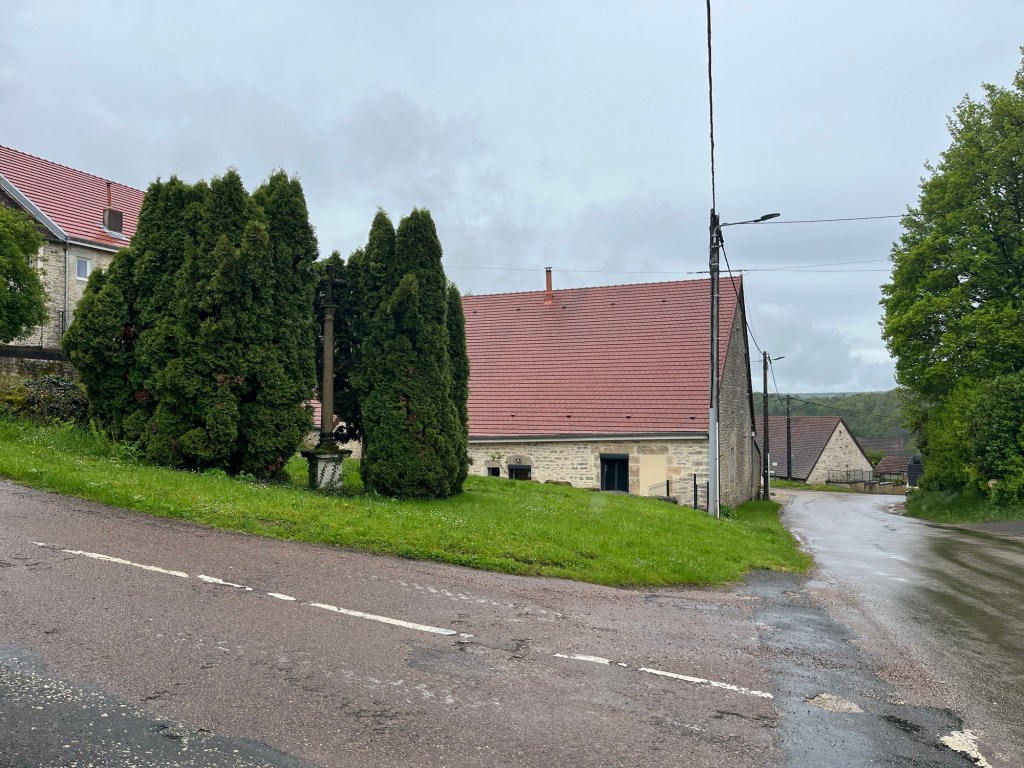
As I left Perrancey, I saw a stone cross. These seem to be everywhere at the entrance and exits of settlements and at junctions too. They appear a little like preaching crosses, although I suspect they didn’t perform this function here. I find them very comforting – as if blessing travellers as the arrive and leave a place; the symbol of our Lord watching over those on the road.
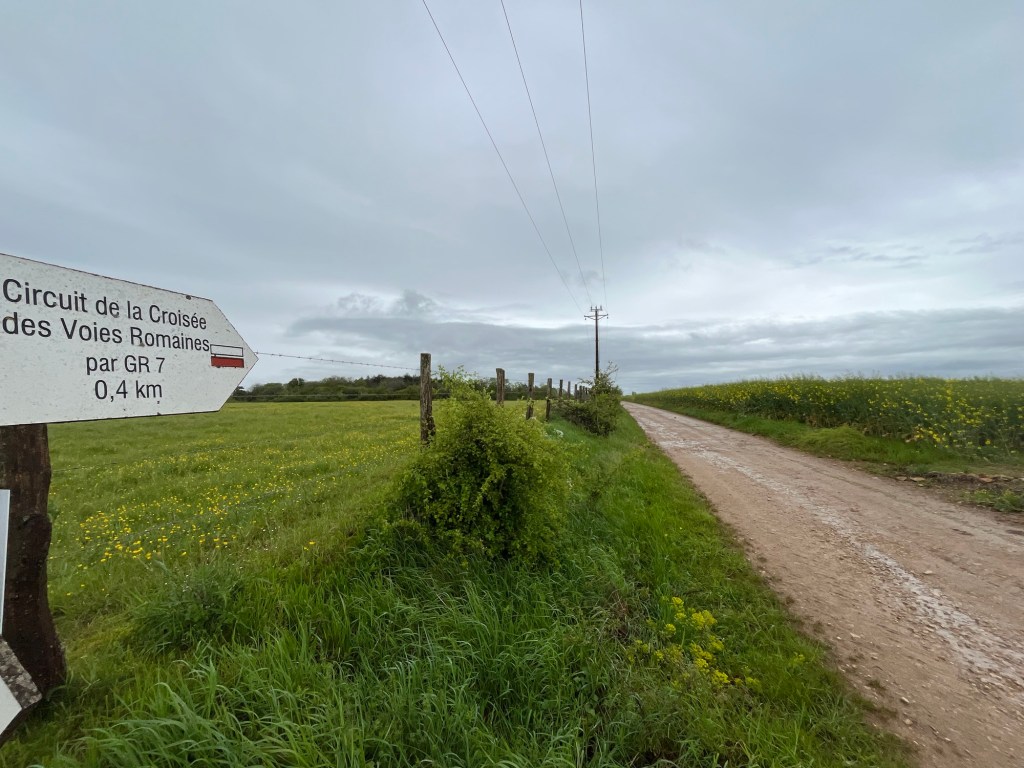
I encountered a flooded farm track, in which I dug a little channel with my walking poles to drain the deepest part of the way. I stood transfixed for a while as the water began to drain down a slope into a nearby field. It was only the sound of an approaching tractor that encouraged me to move on: the was not a section of track I wanted to share with a lumbering piece of agricultural equipment.
This gave over to a section of straight Roman road (above). I wondered if this section had been travelled along by Archbishop Sigeric.
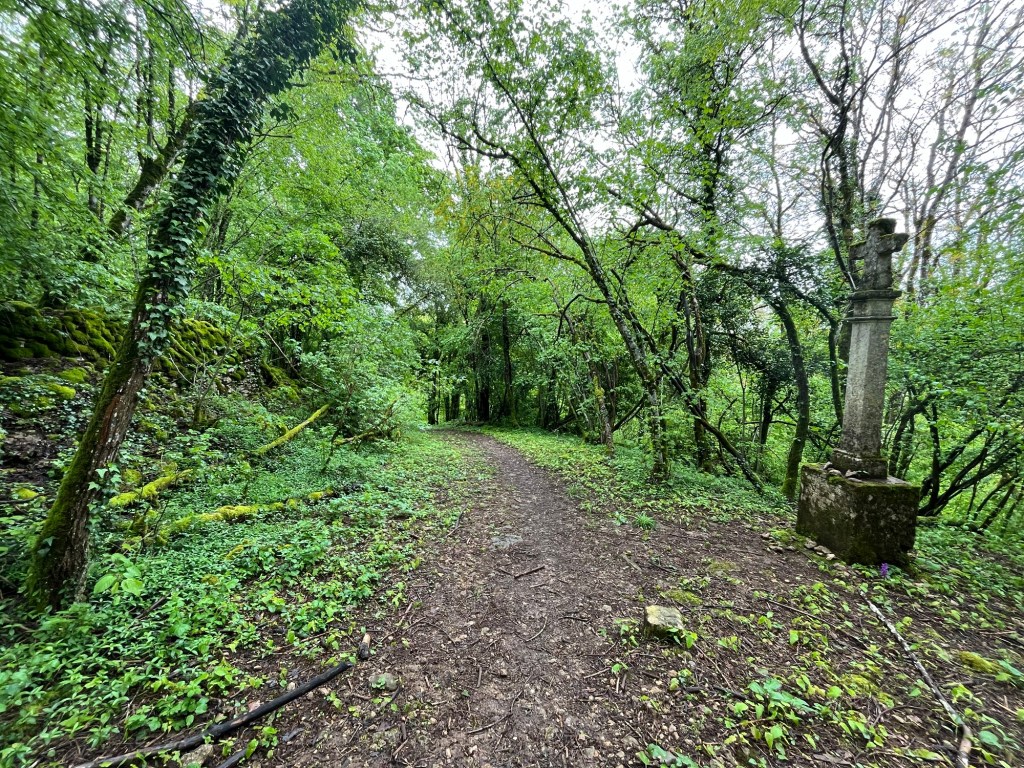
Another wayside cross led me down into the valley surrounding Langres. Moss covered walls to my left indicated that this had once been a settlement. The cross from the early 1800s seemed to post-date the ruins, and I wondered if it had been placed to mark a lost township.
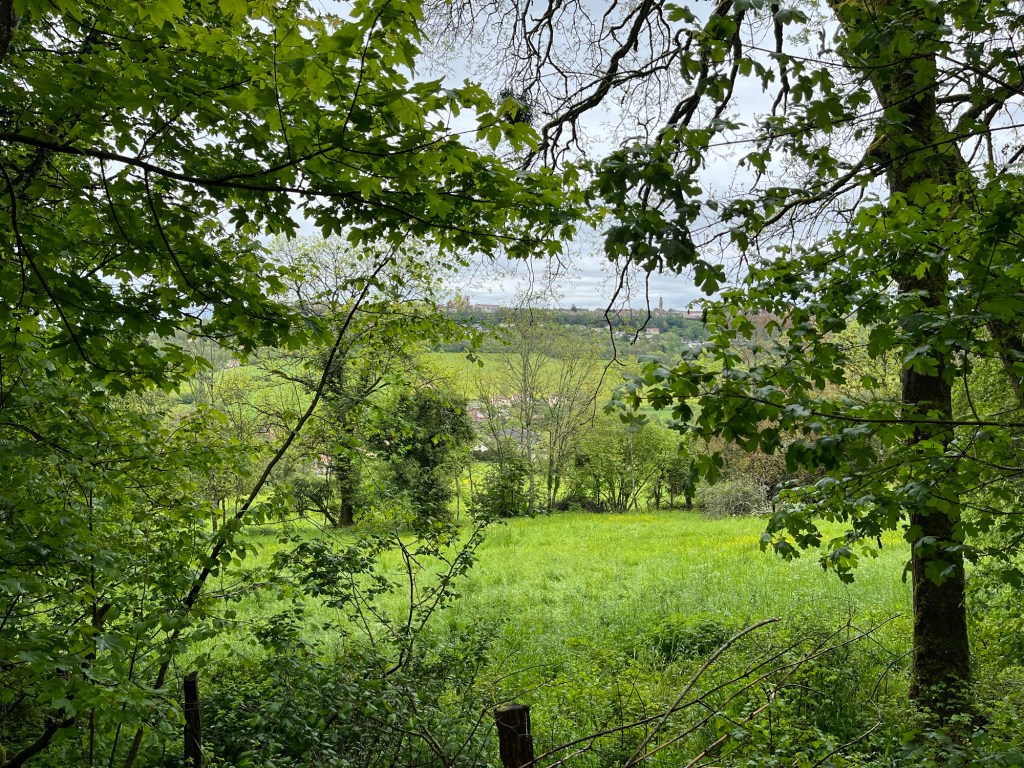
I caught my first glimpse of Langres through the trees. Looking at my watch, I worked out with satisfaction that I would be in town for about 1.15pm – easily in time for lunch. This is the pilgrim life, you see. One day you spend 12 hours walking, the next, you loaf for an hour or two and then enjoy a long lunch! I’d recommend it to anyone!
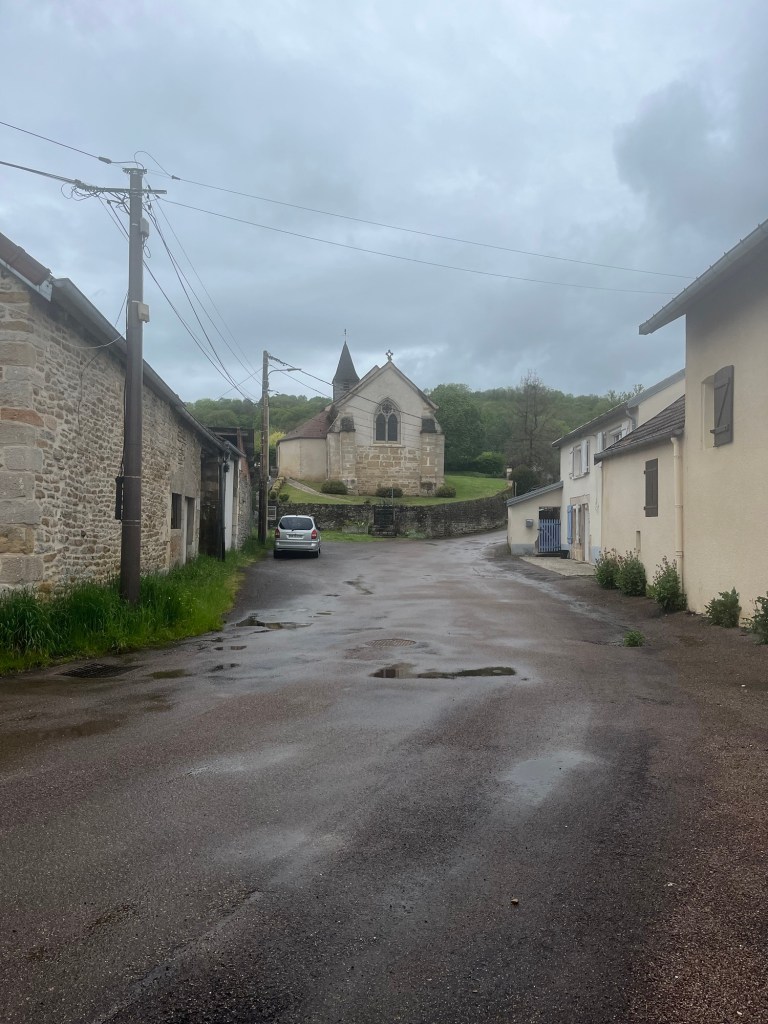
The village of Brevoines lay at the base of the valley, with the sound of running water everywhere. There were several water mills here and also the Church of St Anne which looked like it would have fitted very comfortably in the Archdeaconry of Ludlow.
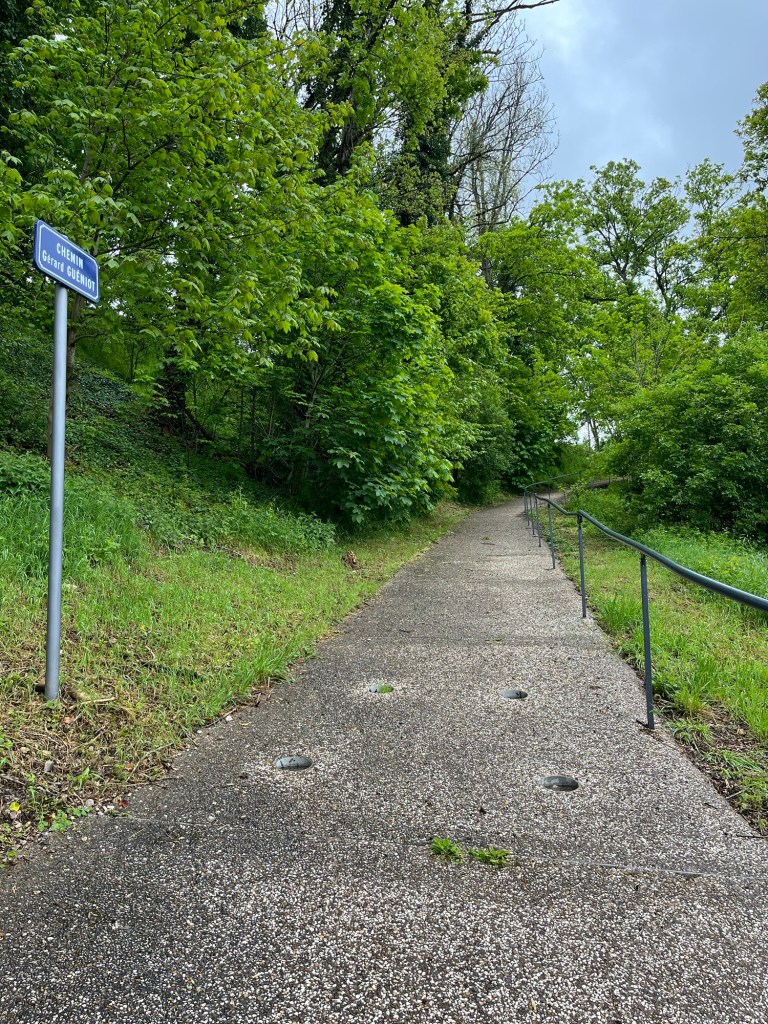
Well, what goes down must go up. The remainder of the walk was a good cardiovascular workout, snaking my way up to the hill top. I’m not sure who Gérard Guéniot was to have such a fiendish incline named in his honour!
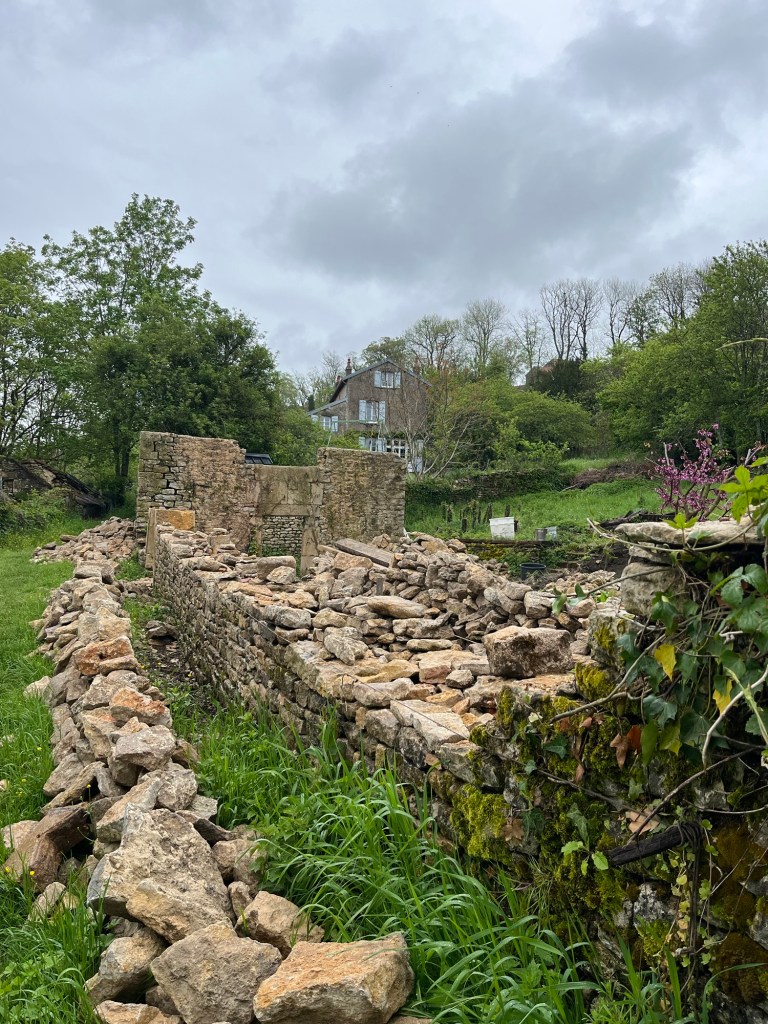
The route up to the hill was littered with abandoned and decaying buildings. These often had brand new buildings in their grounds. You see this a lot in France, buildings that would be snapped up as “ripe for conversion” are left to fall into ruin, and new buildings are built next to them. I was pleased to see someone making efforts to repair a ruin… who knows it might one day be an AirBnB!
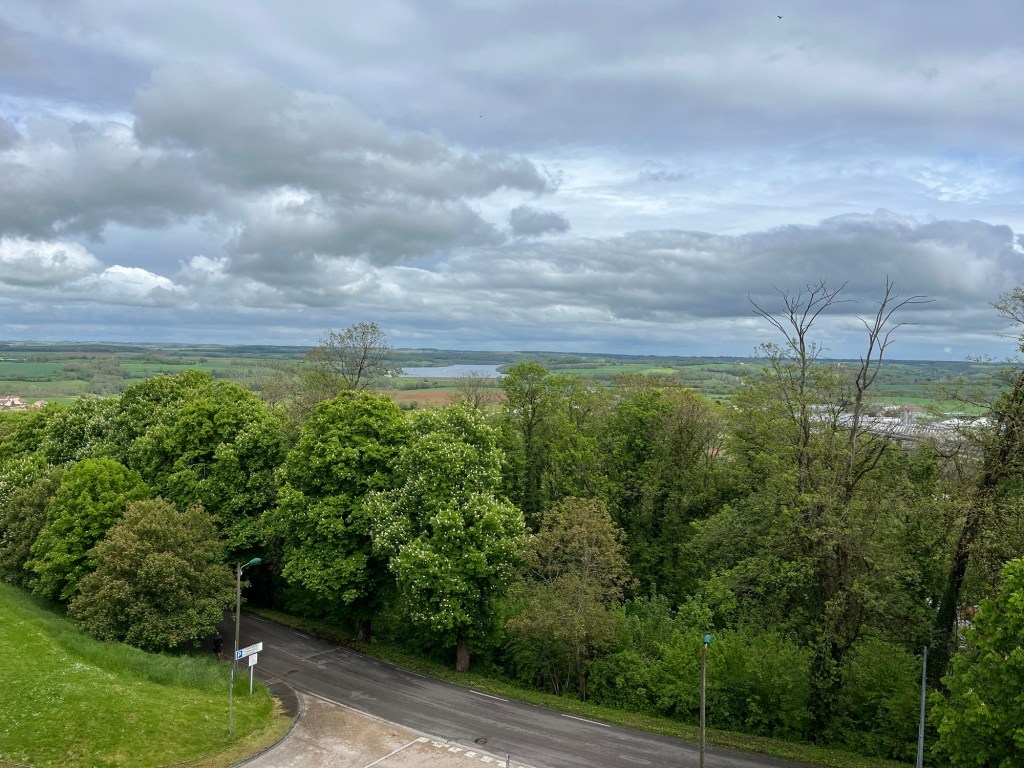
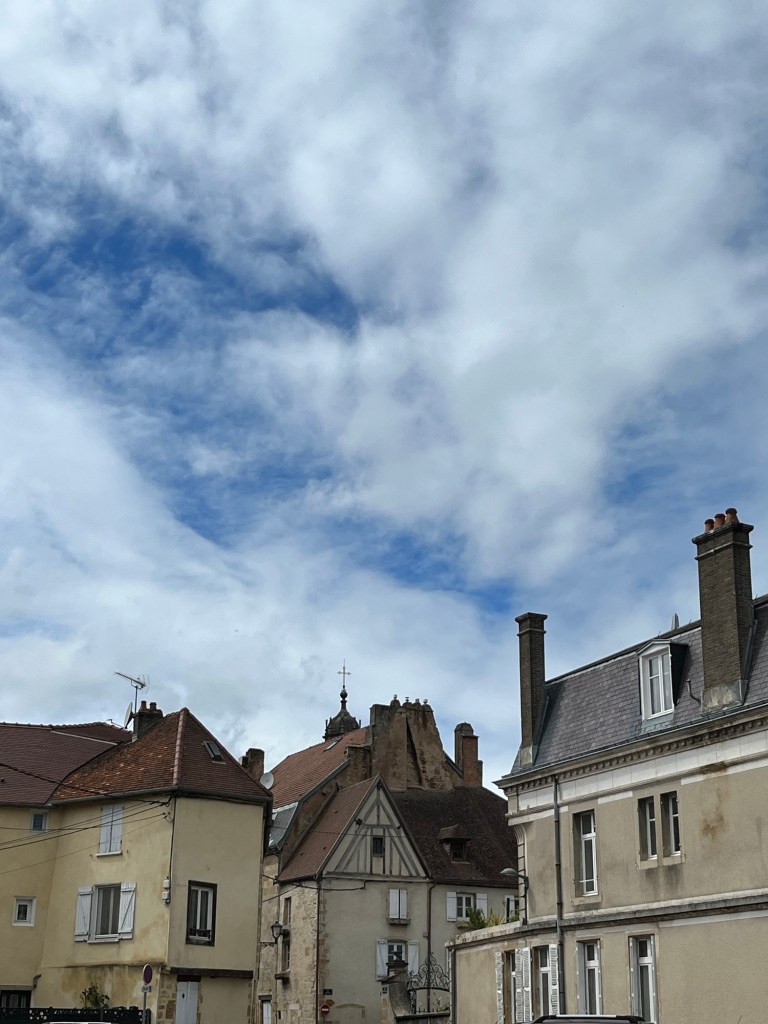
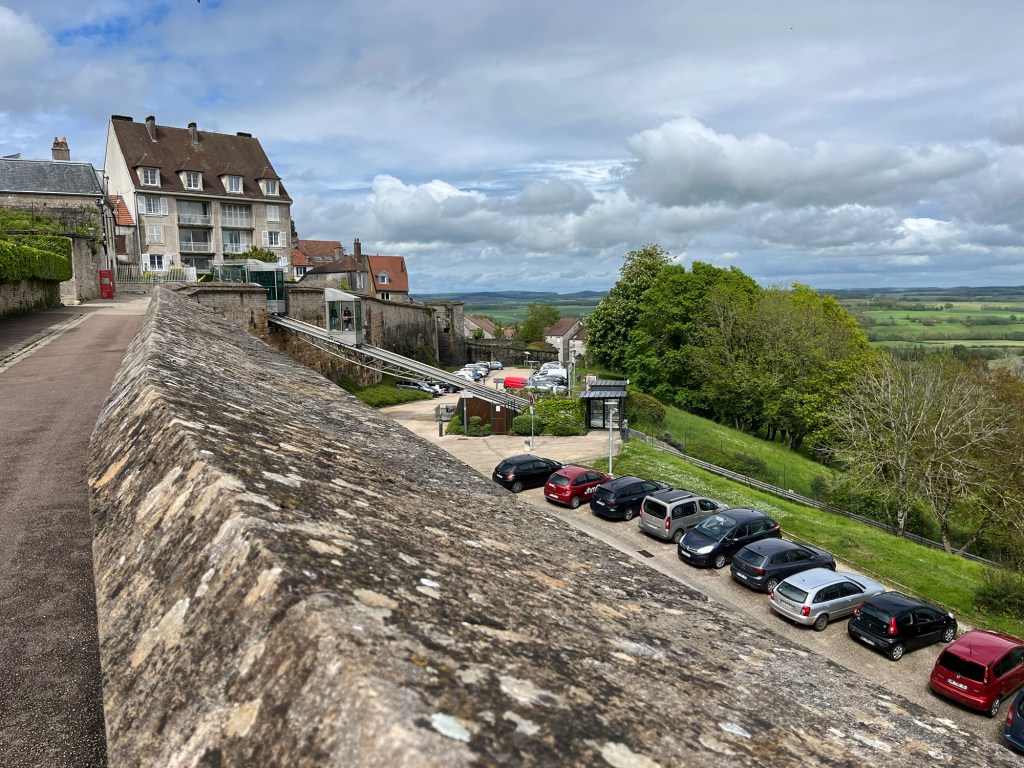
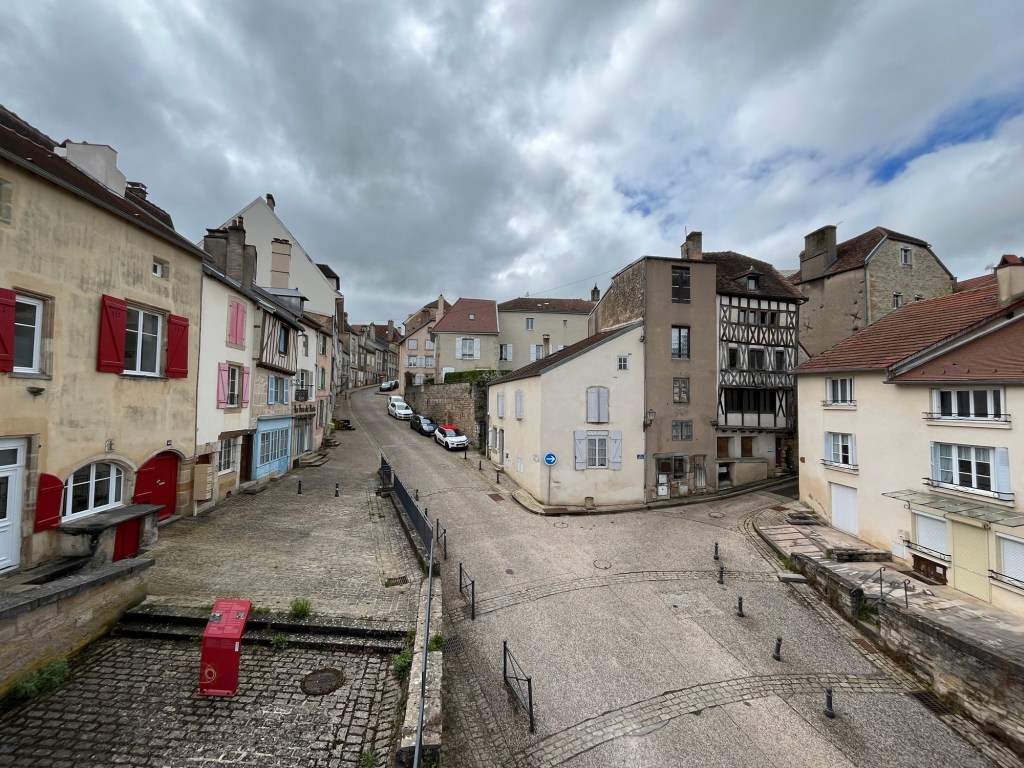
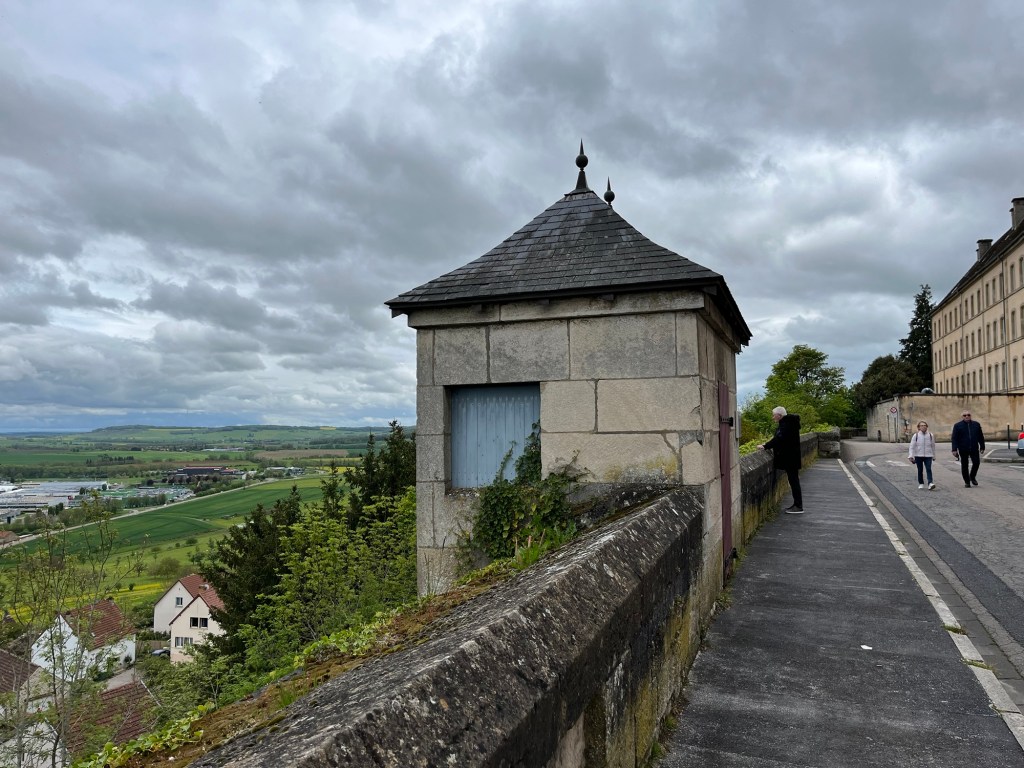
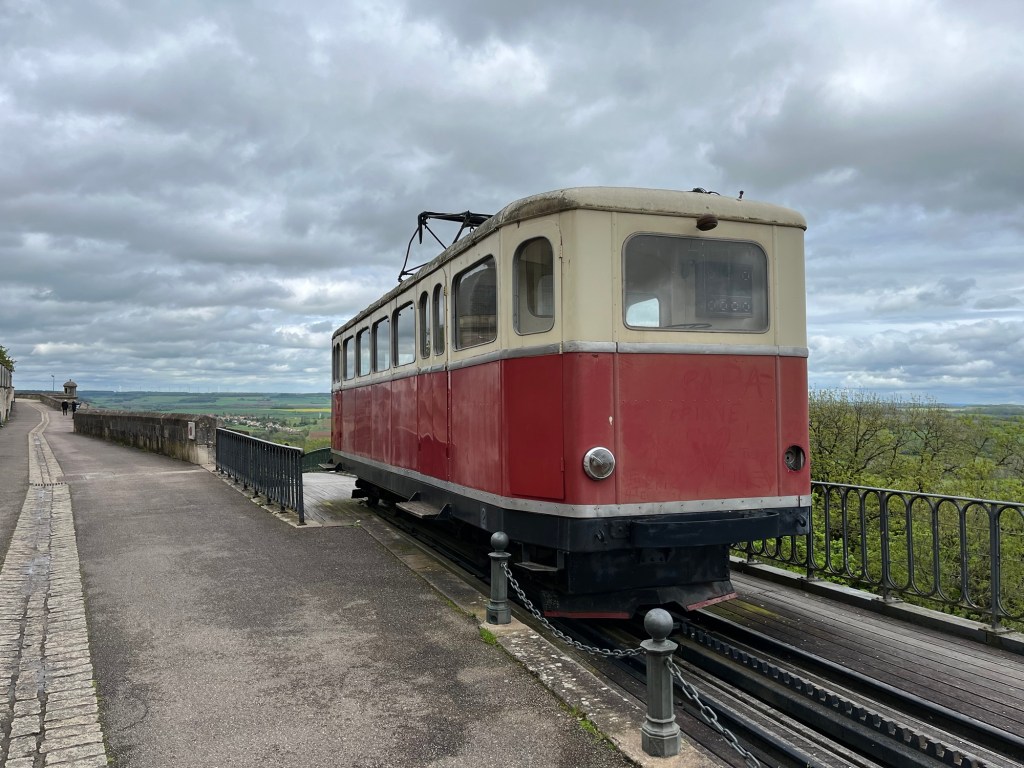
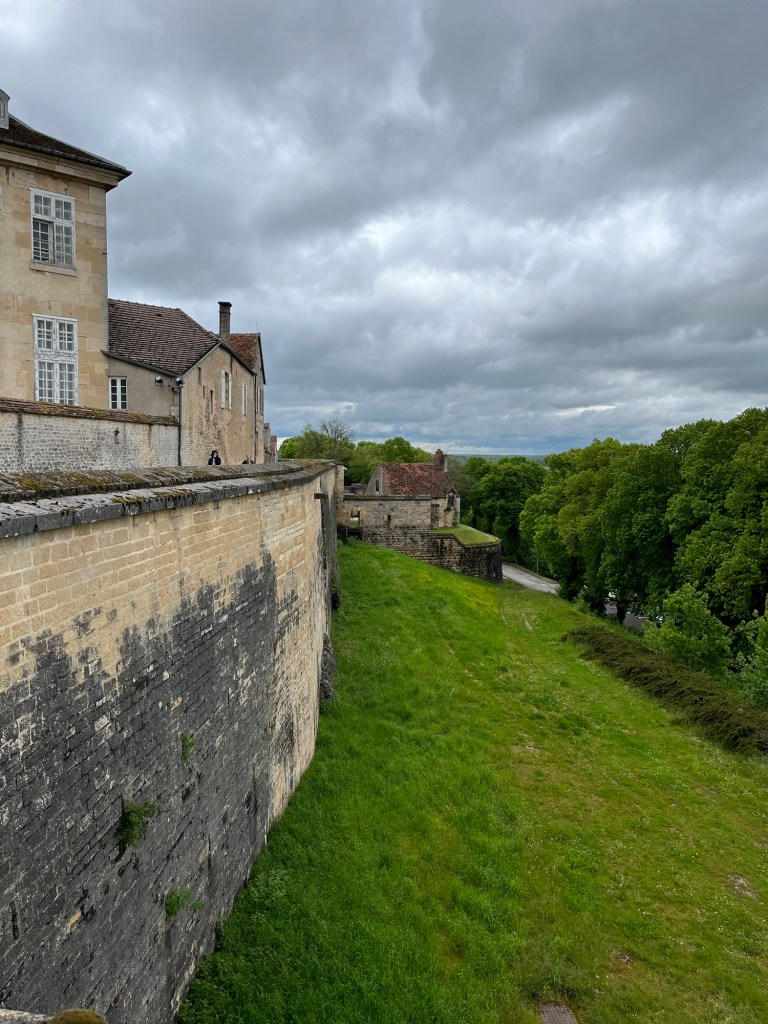
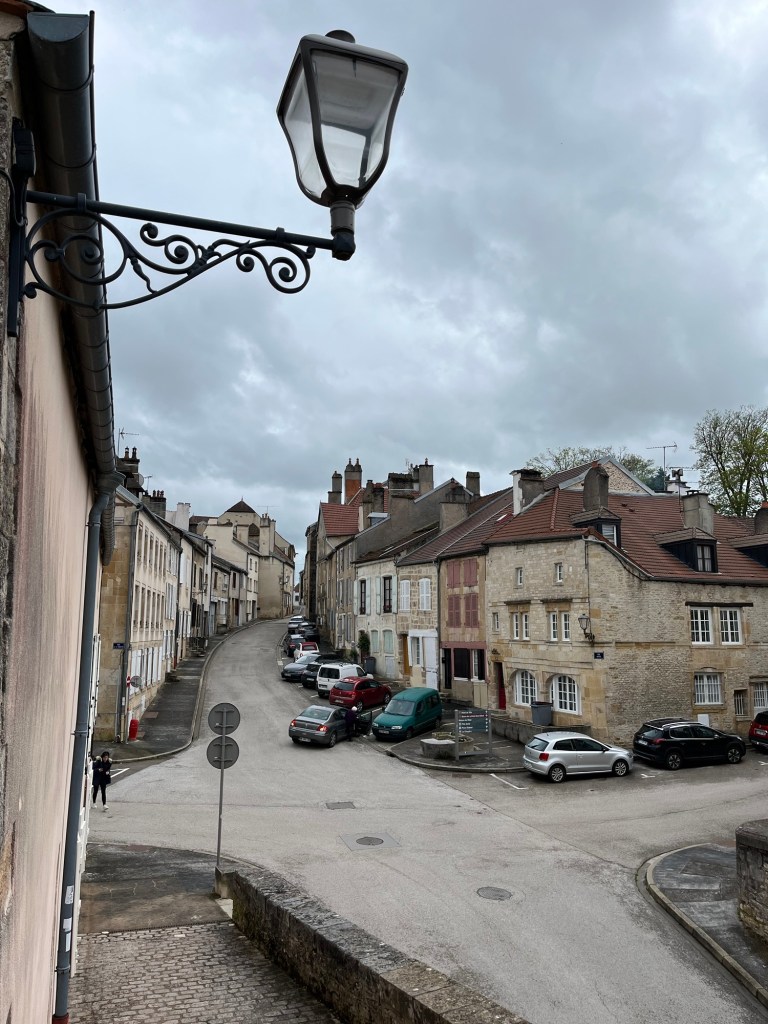
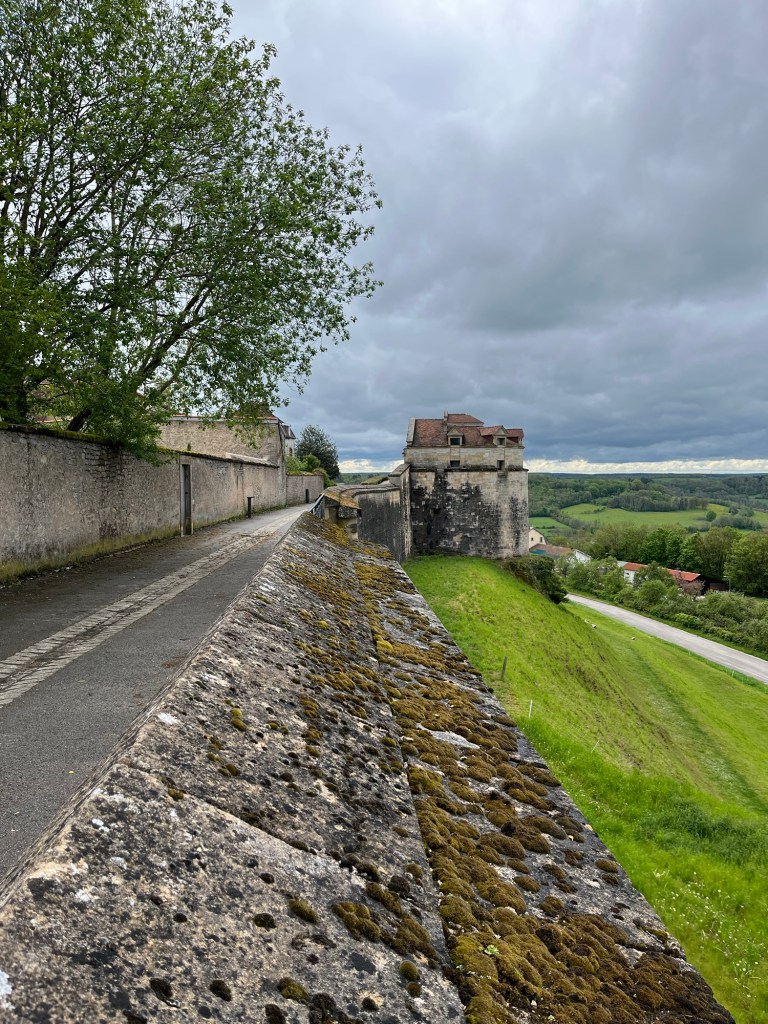
And so I entered the ancient city of Langres. For century an important trading town on the edge of rival kingdoms and an impregnable fortress. I had read in a number of accounts of walking the Via Francigena that people regretted not being able to stay here longer and look around. After a very good lunch at the Bistrot le Foy on the Place Didier, I had a good walk round the town, its ramparts, places and alleyways.

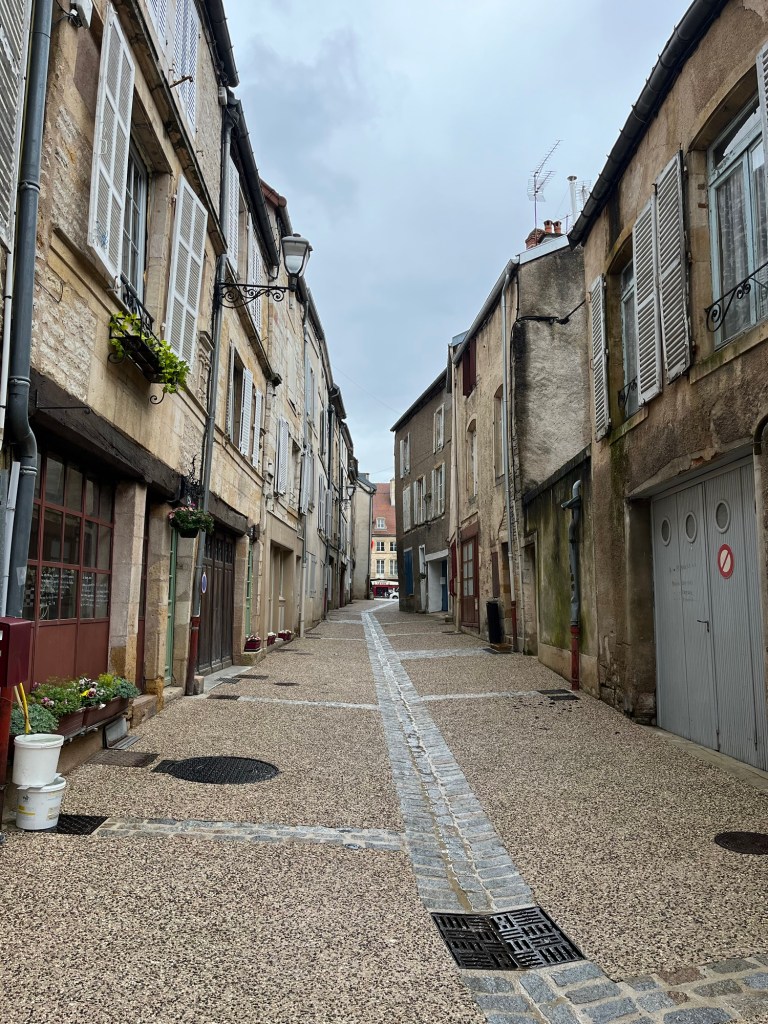
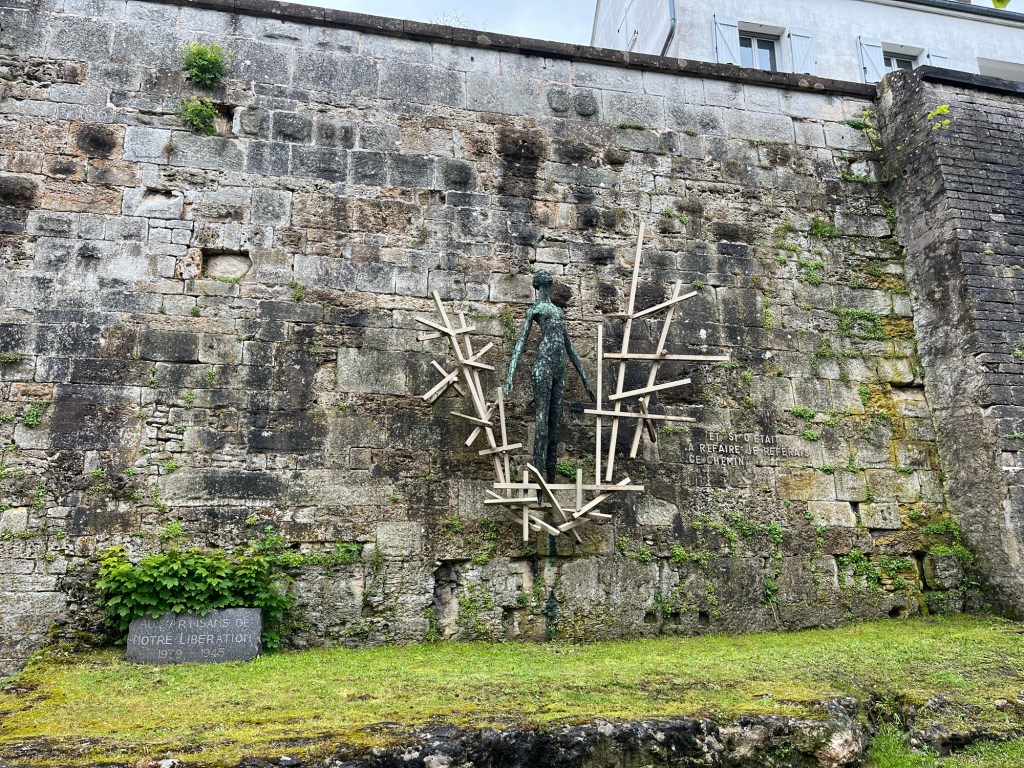
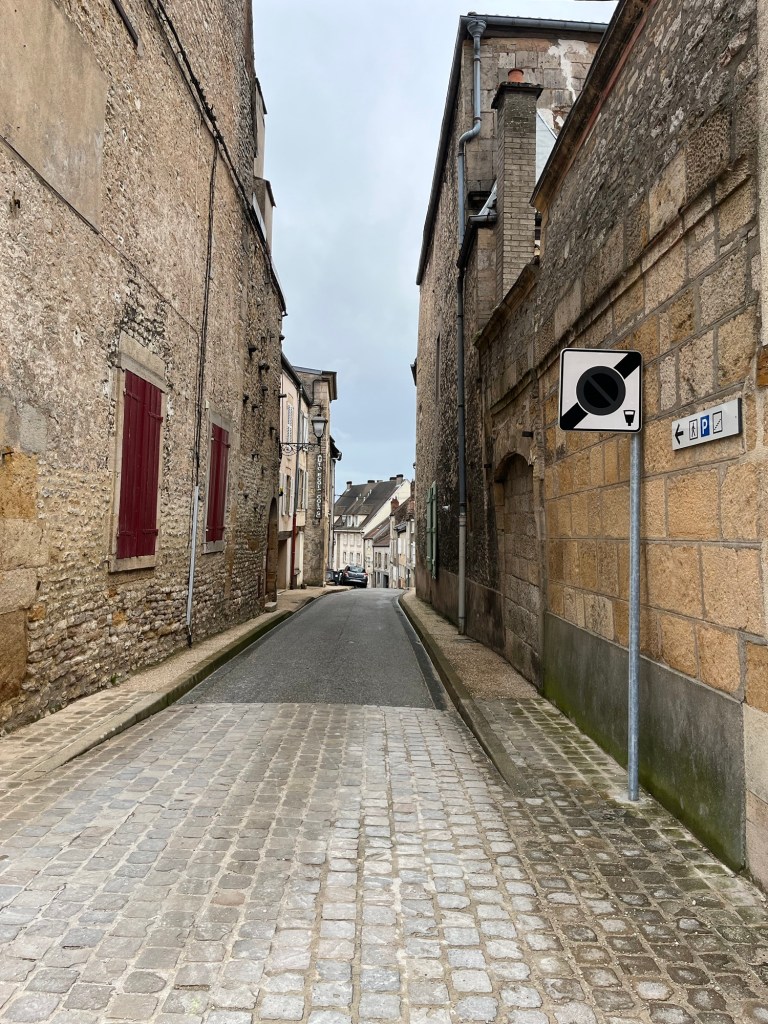
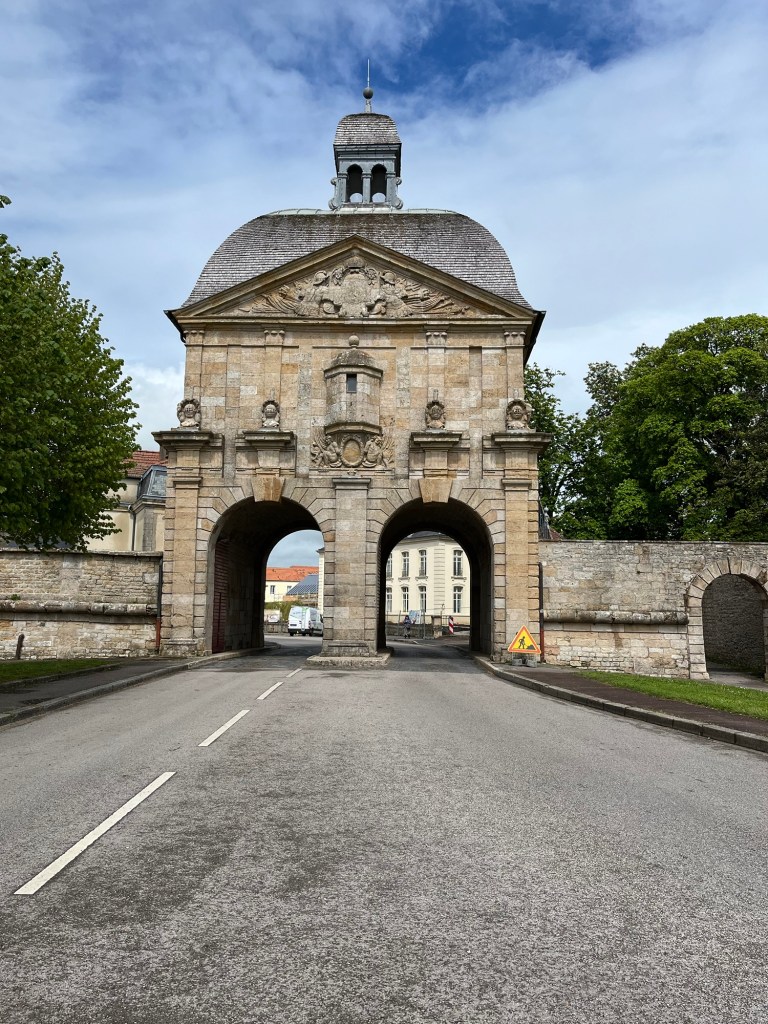
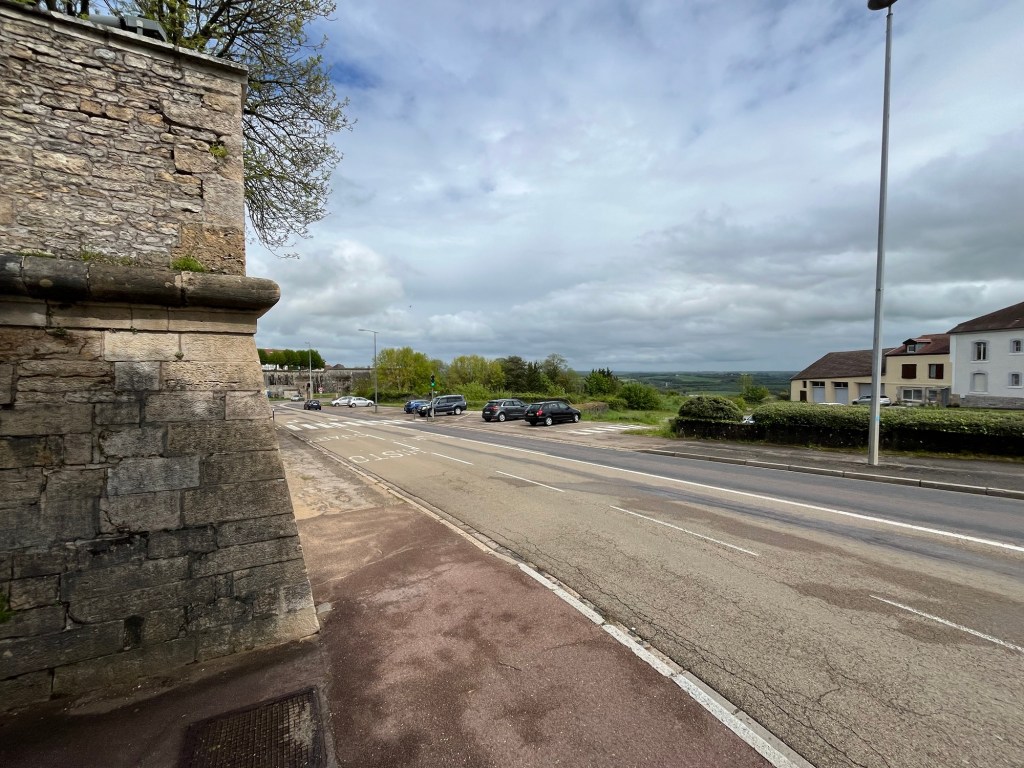
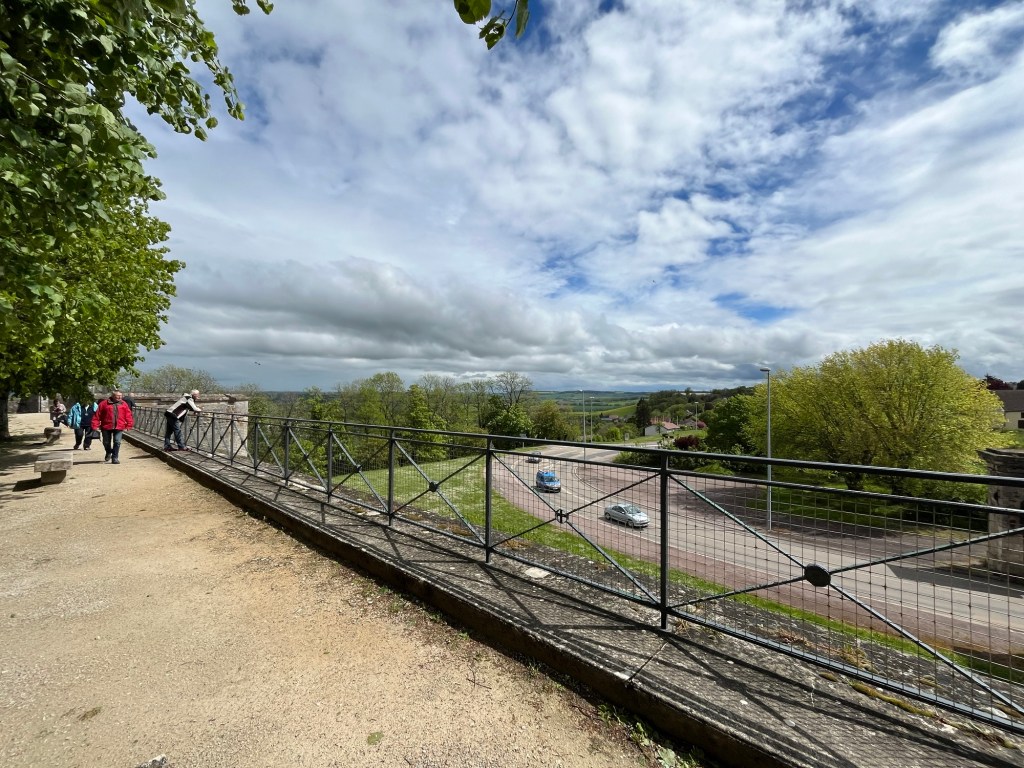
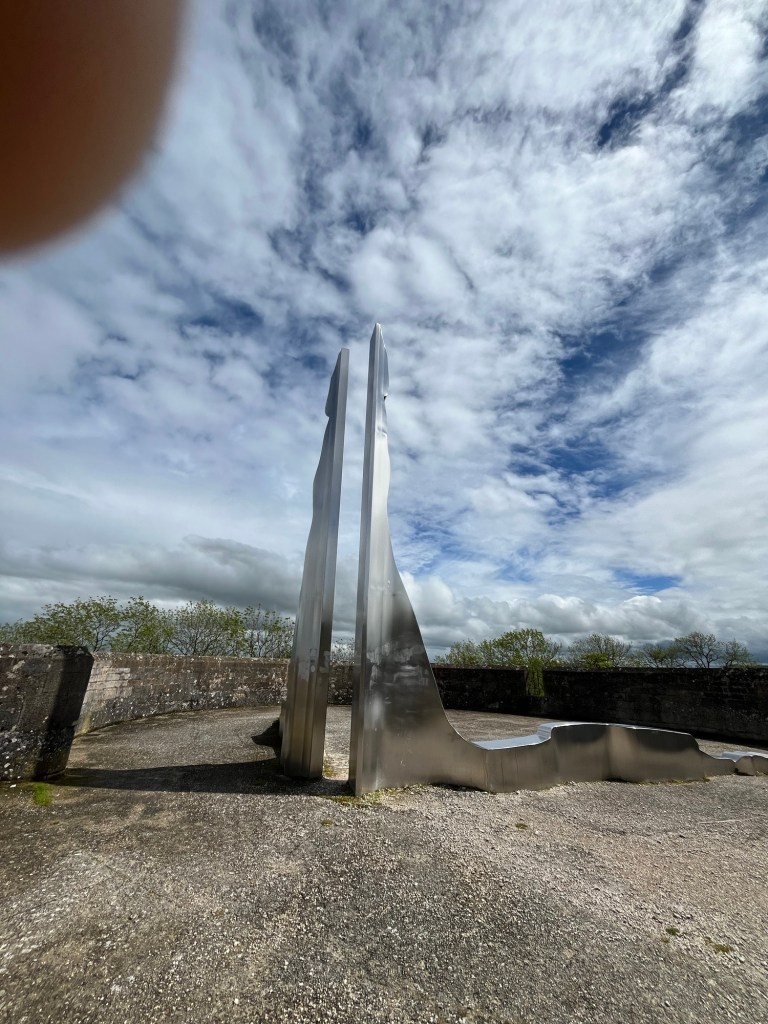
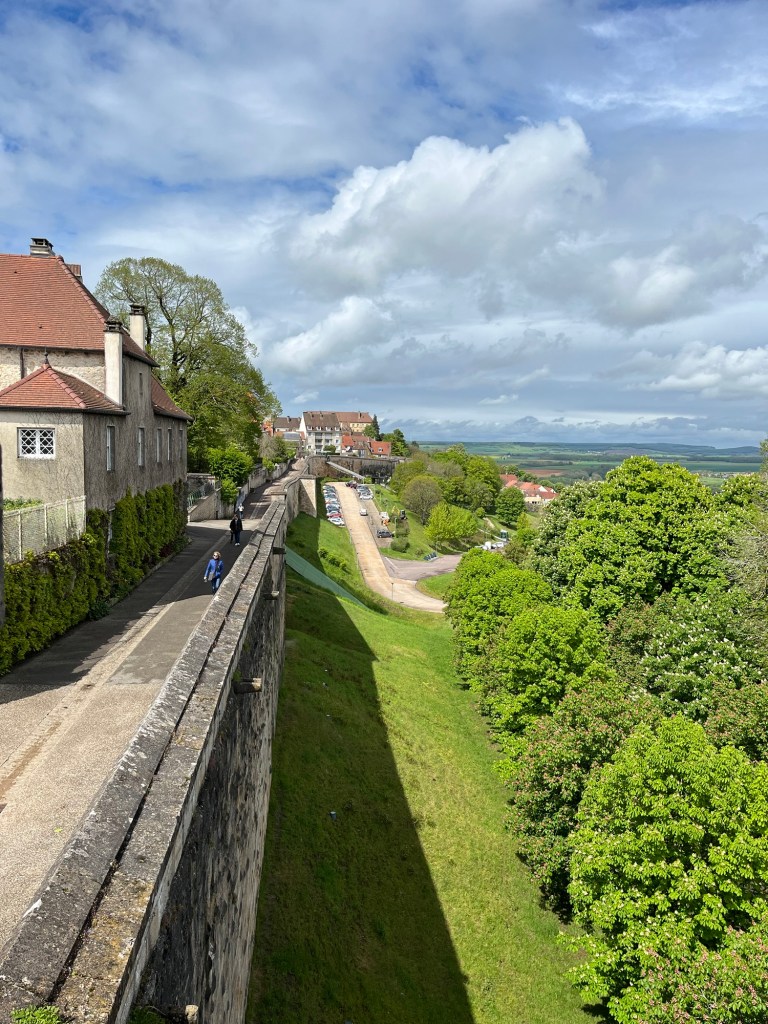

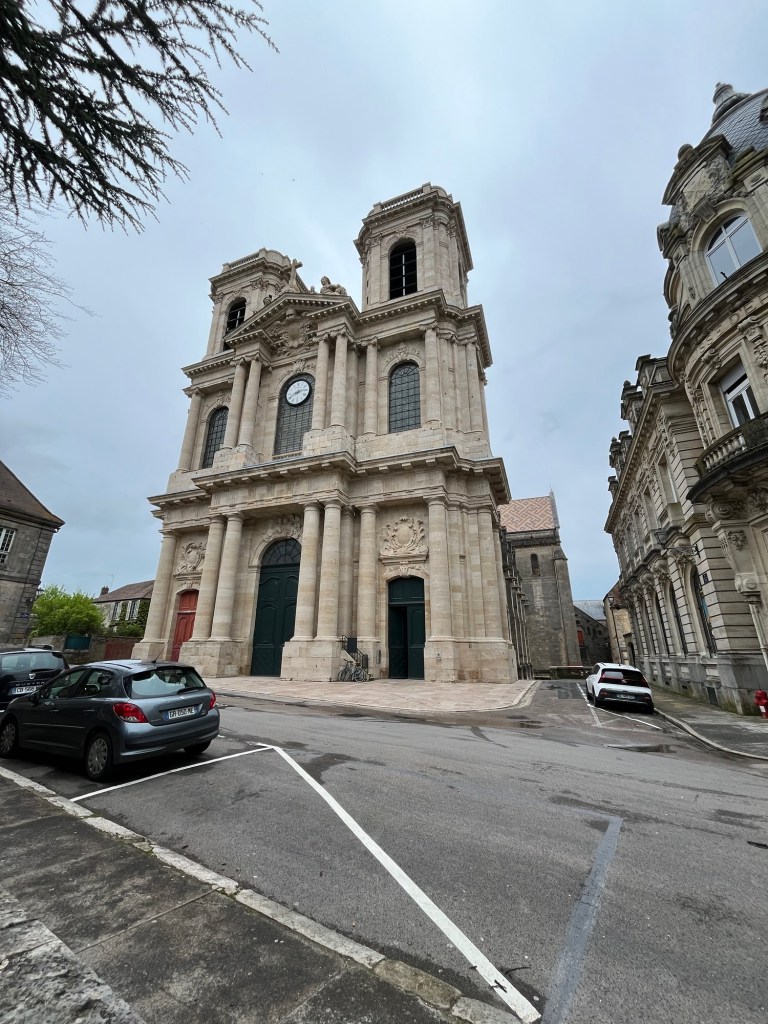
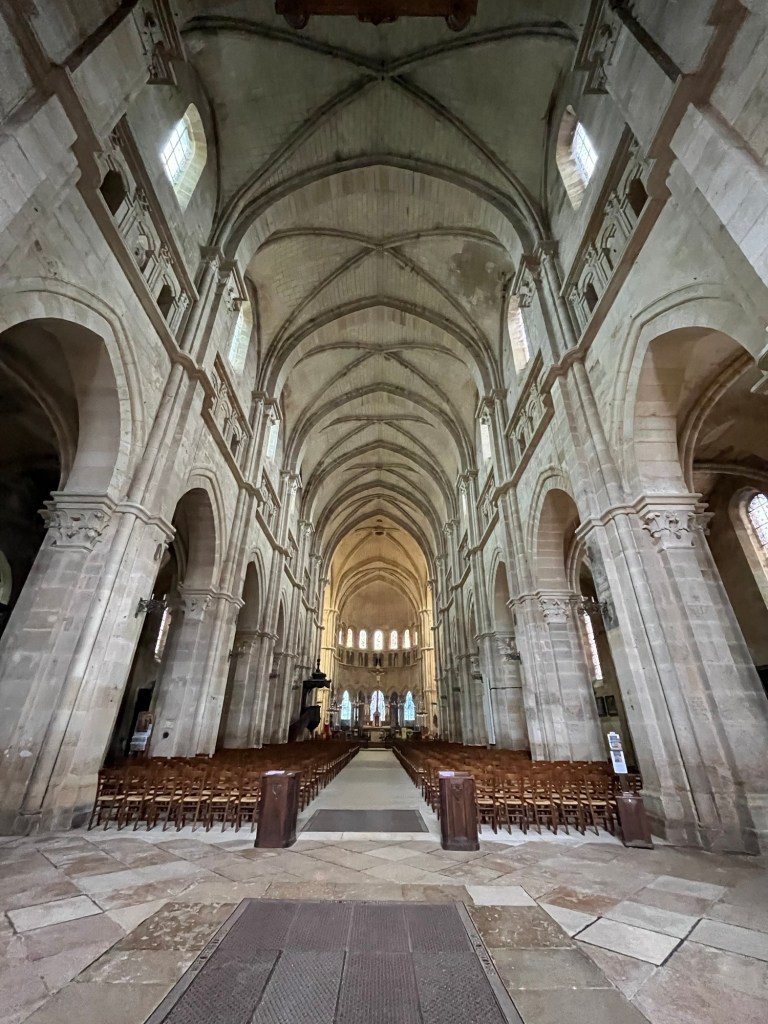
There was of course a cathedral to have a look at too. Inside a wonderful Romanesque church, with (in my view) and unfortunate Enlightenment period west end marring the building somewhat. While I appreciate that cathedrals are designed to convey the enormity of God and to create vast spaces in which people can lose themselves, this sort of 18th Century architecture is all about projecting power and making people small. I mean, who needs a door this big? It’s the height of a two-storey house. Were they expecting Roald Dahl’s BFG to be a regular attender at mass?

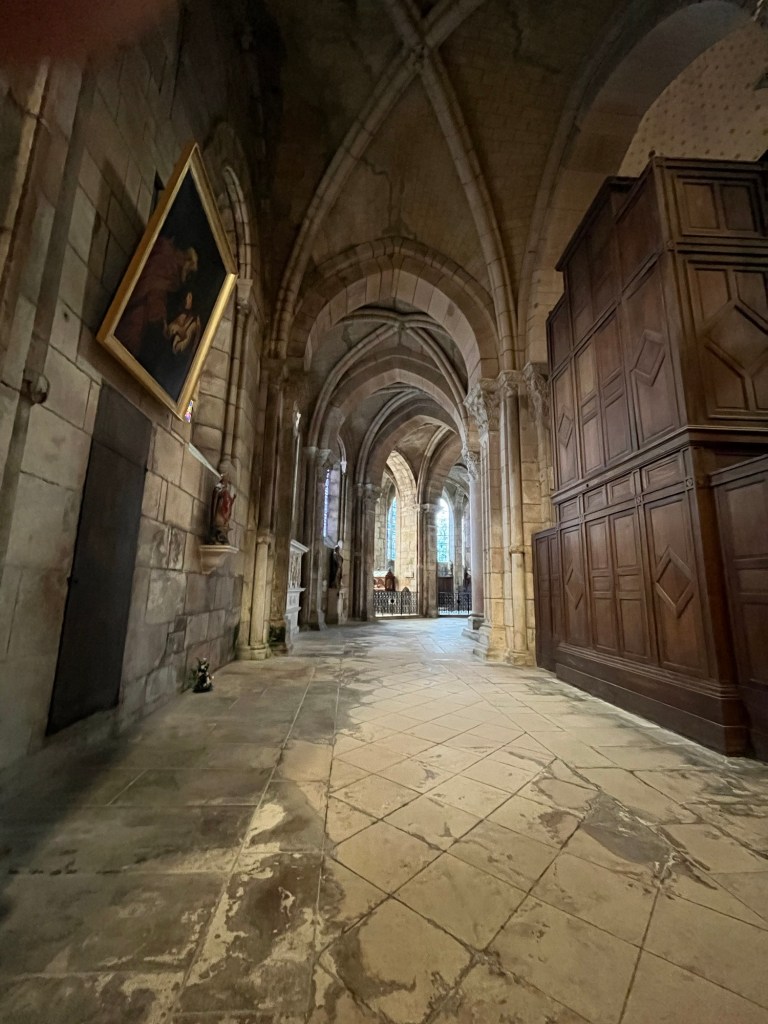


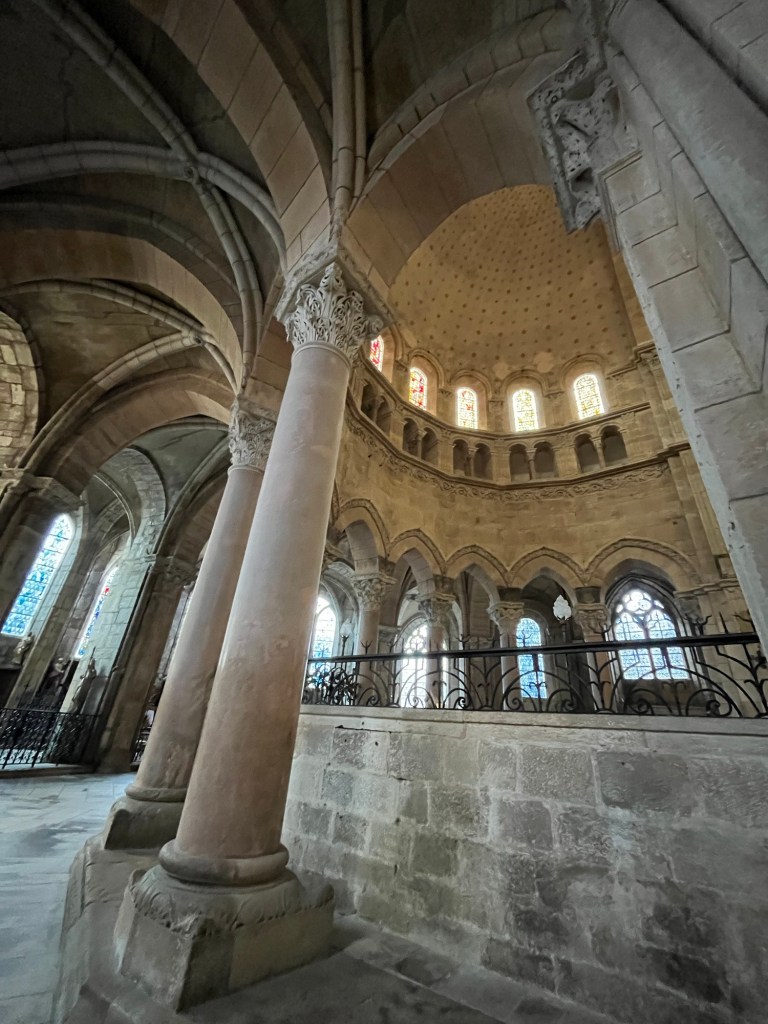
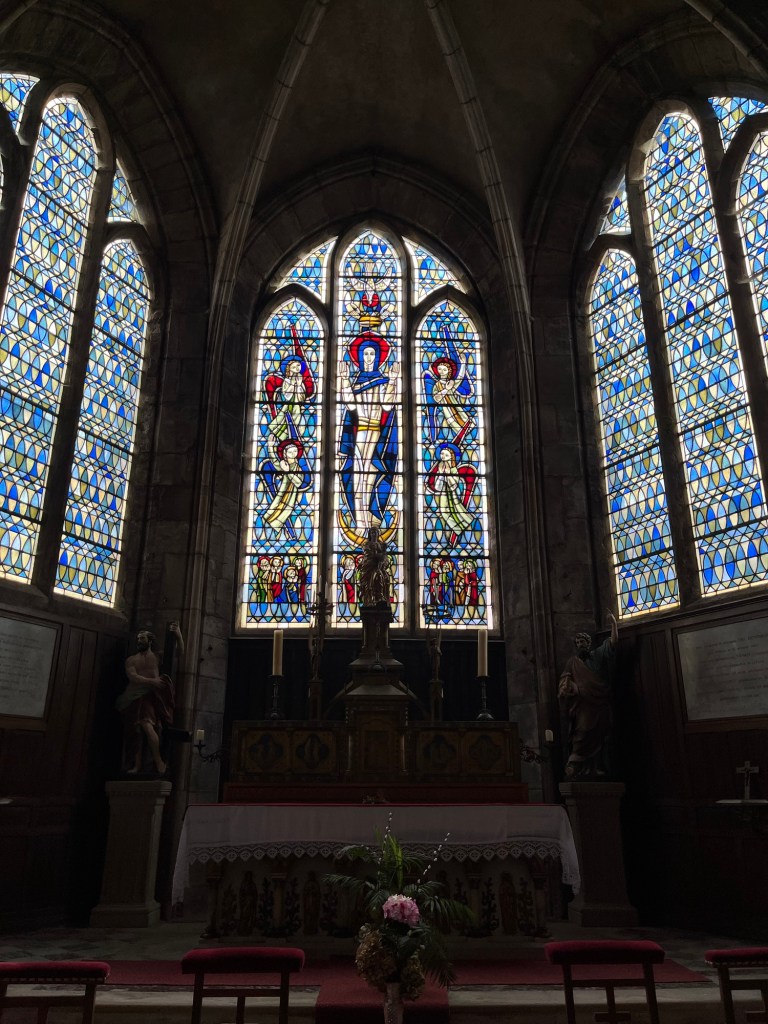
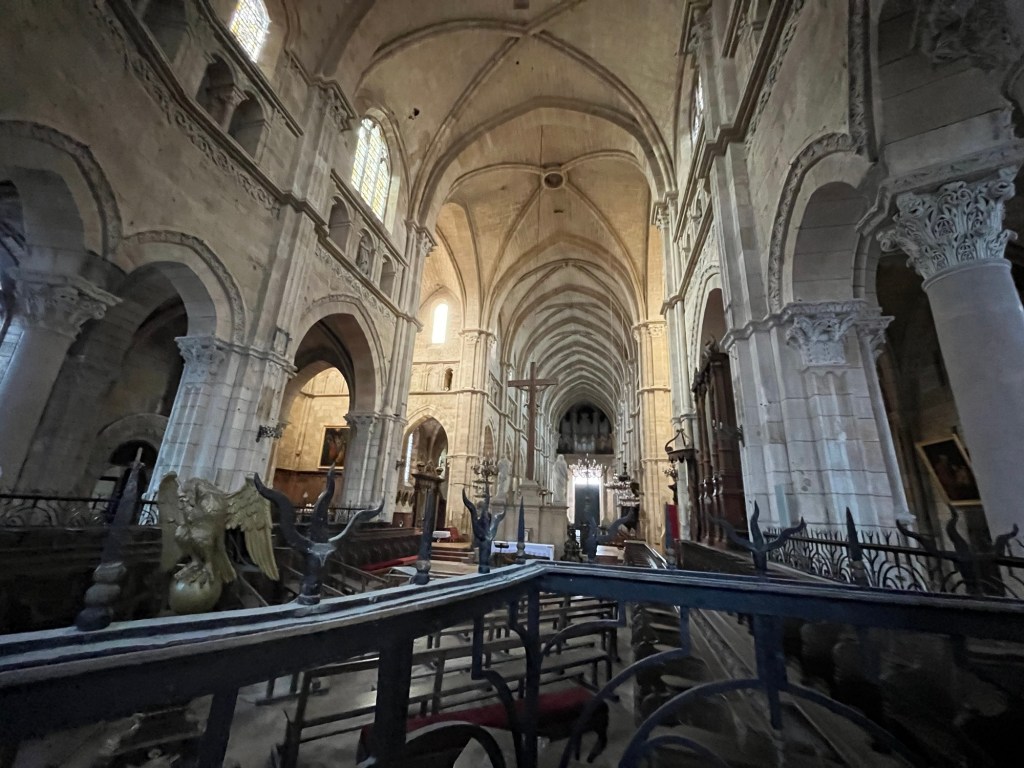
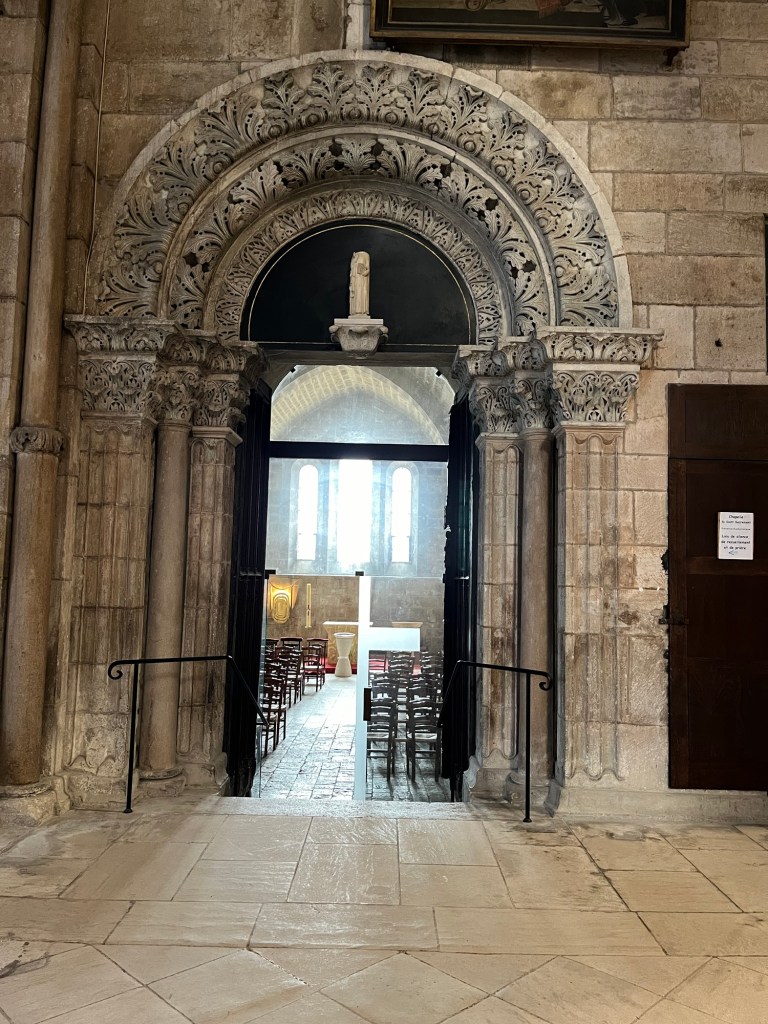
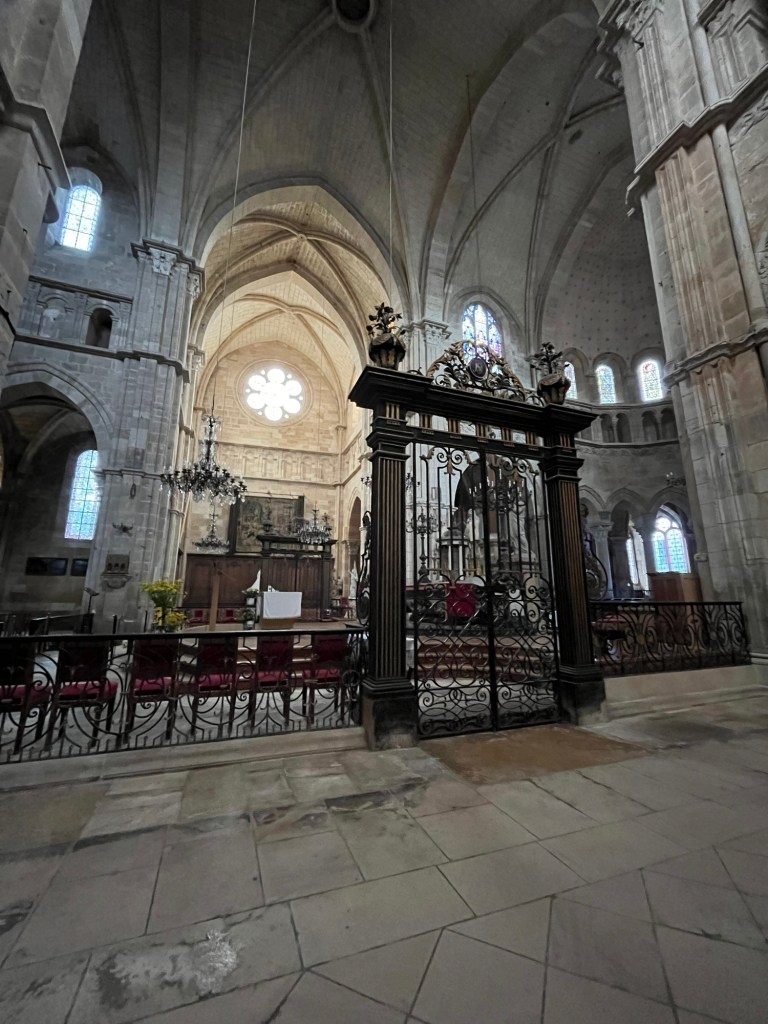

Repairs to bomb damage during the Second World War had revealed this wonderful early fresco of St Andrew, to whom this chapel was originally dedicated.

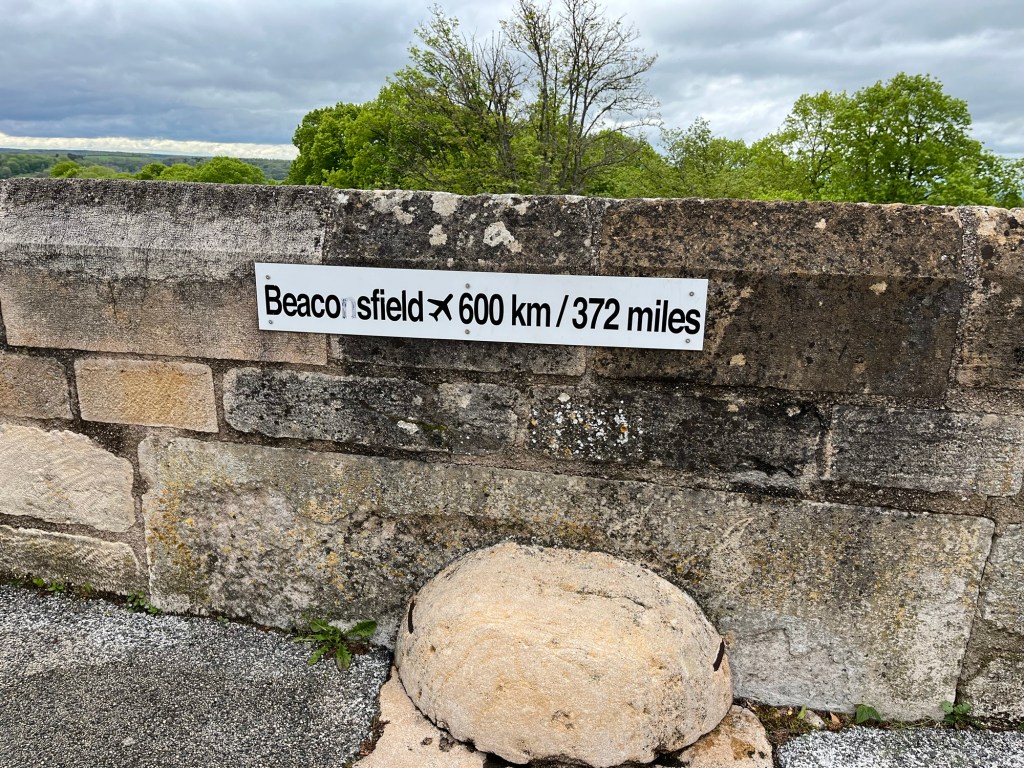
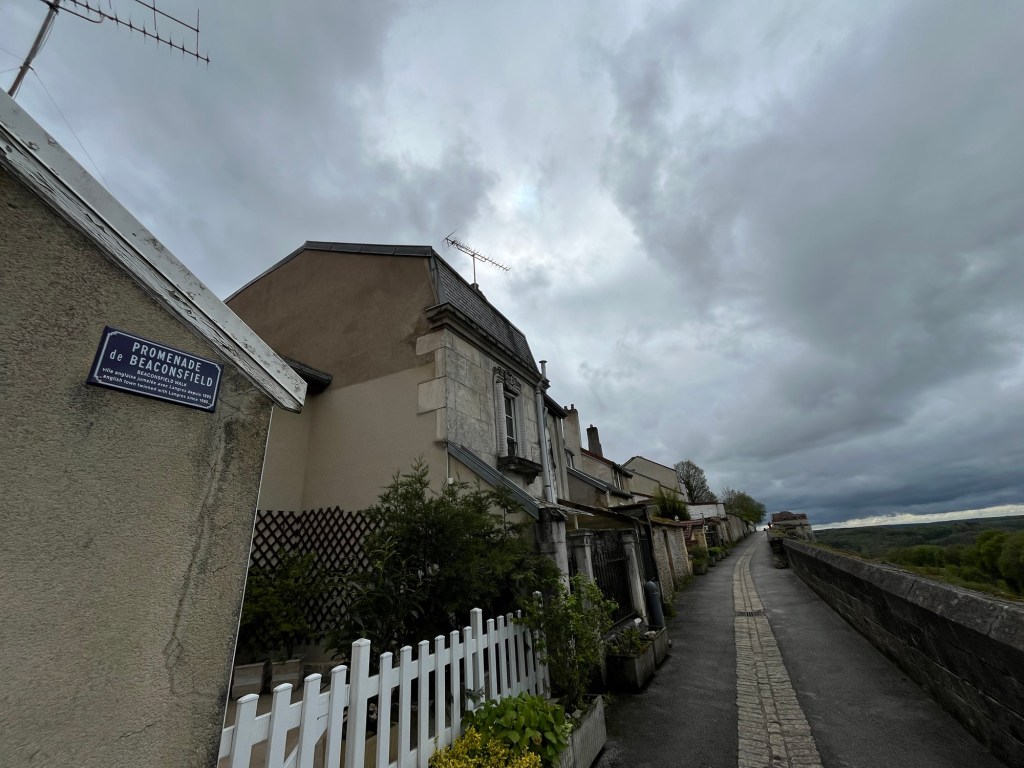
And so I headed back to my accommodation on the Rue Charles Beligne. I had one more discovery to make; namely that this glorious Gallo-Romano settlement, and later medieval powerhouse is twinned with… Beaconsfield, obviously.


 The Loafing Pilgrim
Leave a reply to annvictoriaroberts Cancel reply